Theodore Roosevelt National Park — North Unit | Where Distance Becomes Story
Theodore Roosevelt National Park — North Unit
A Remote Study in Scale and Solitude
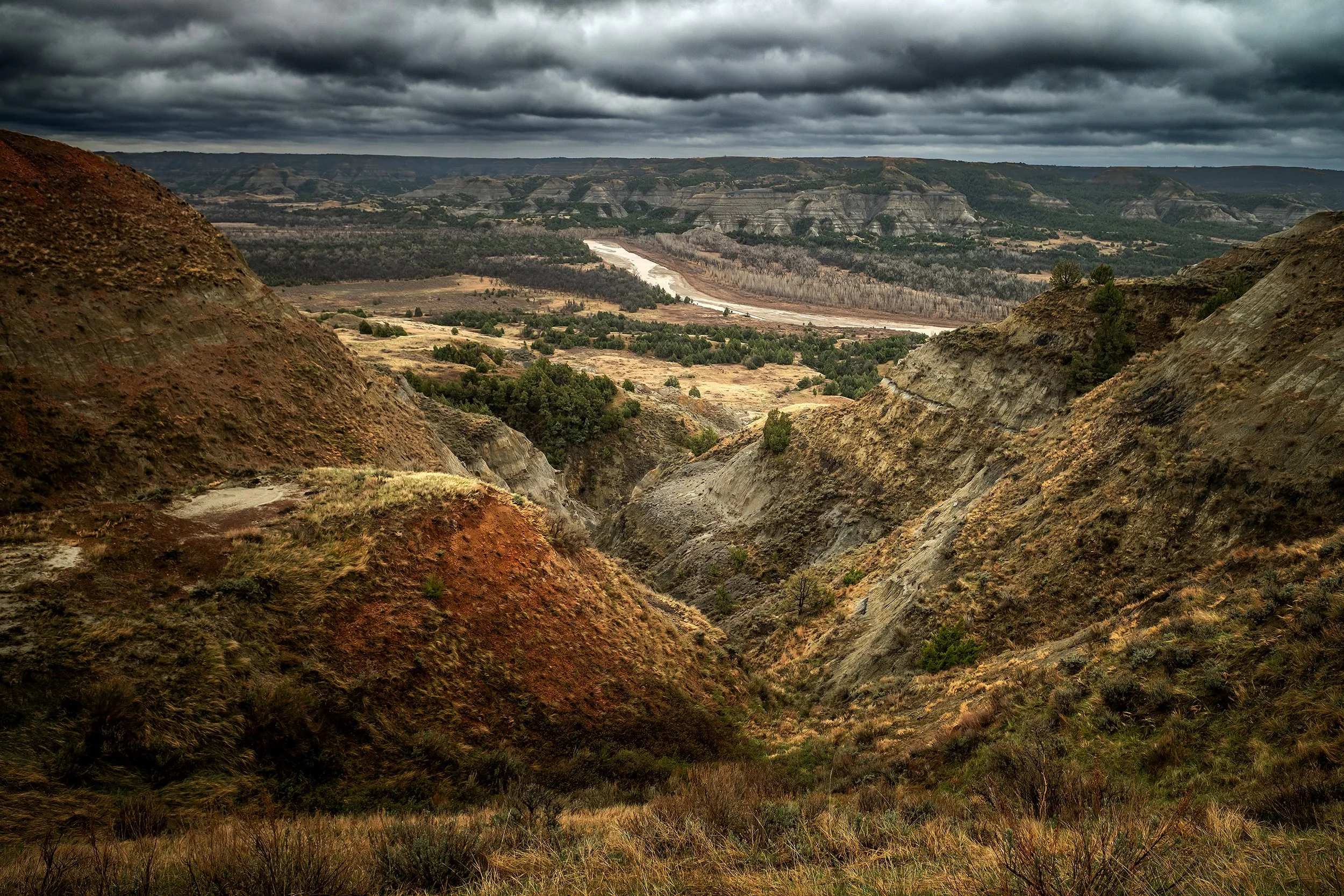
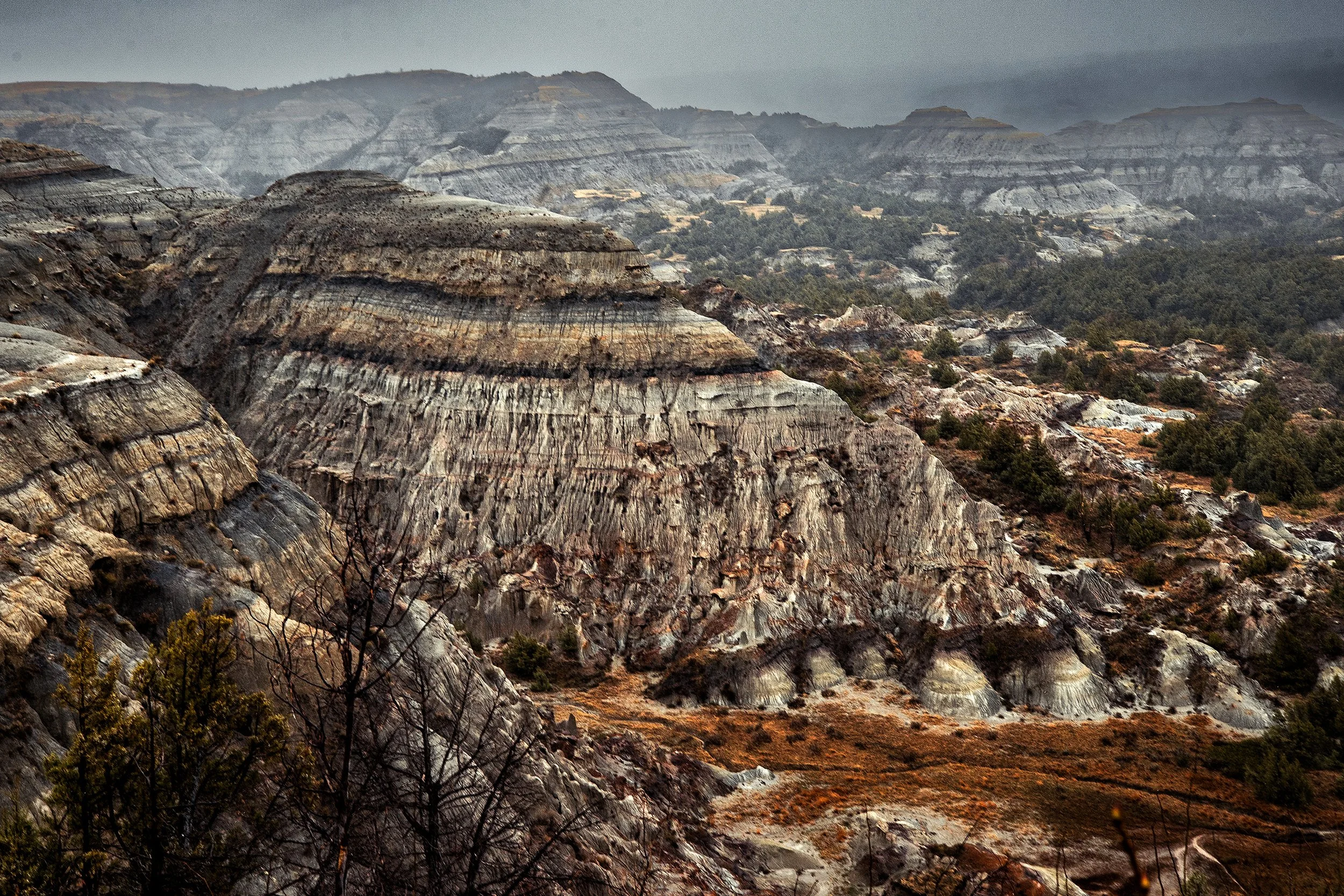
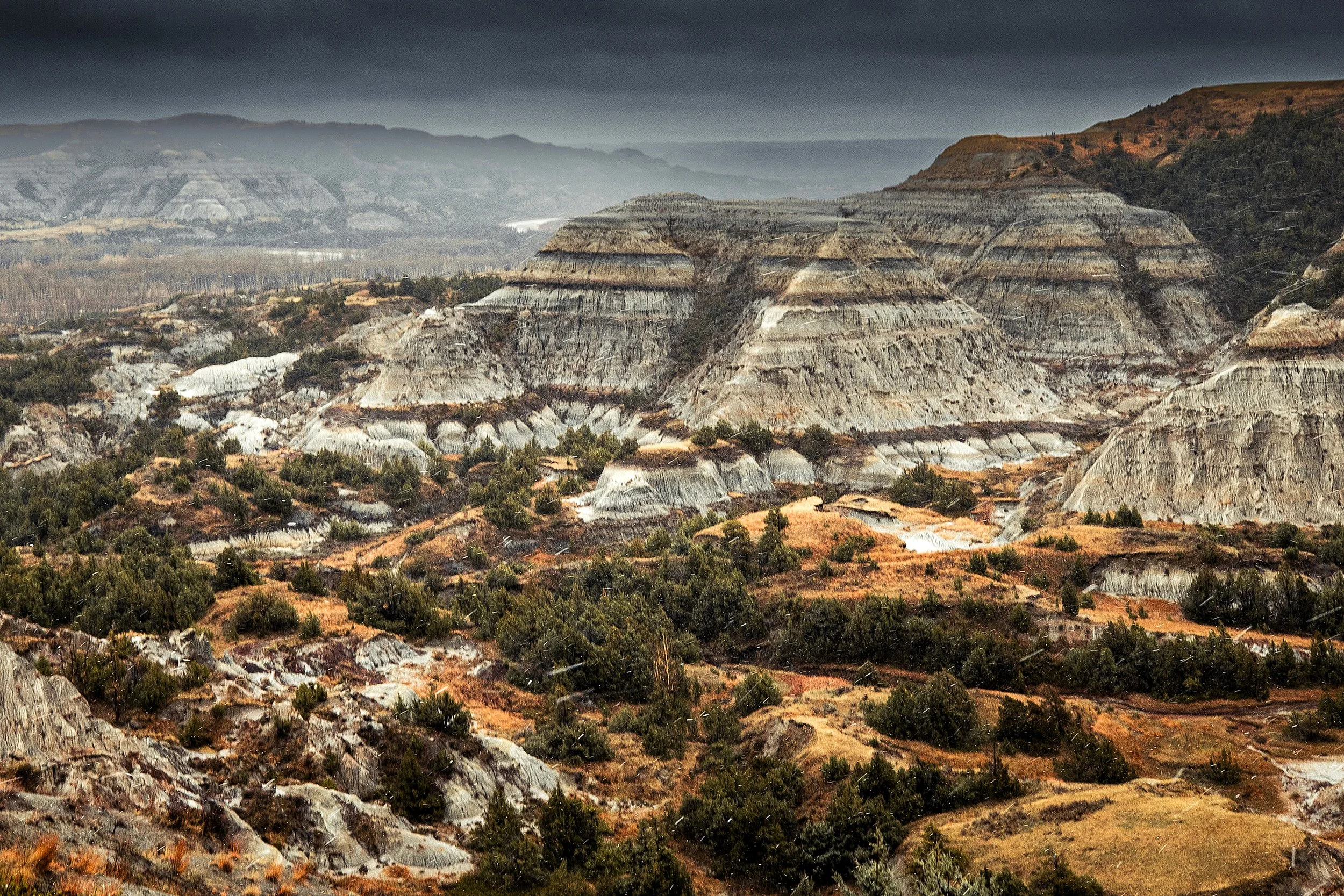
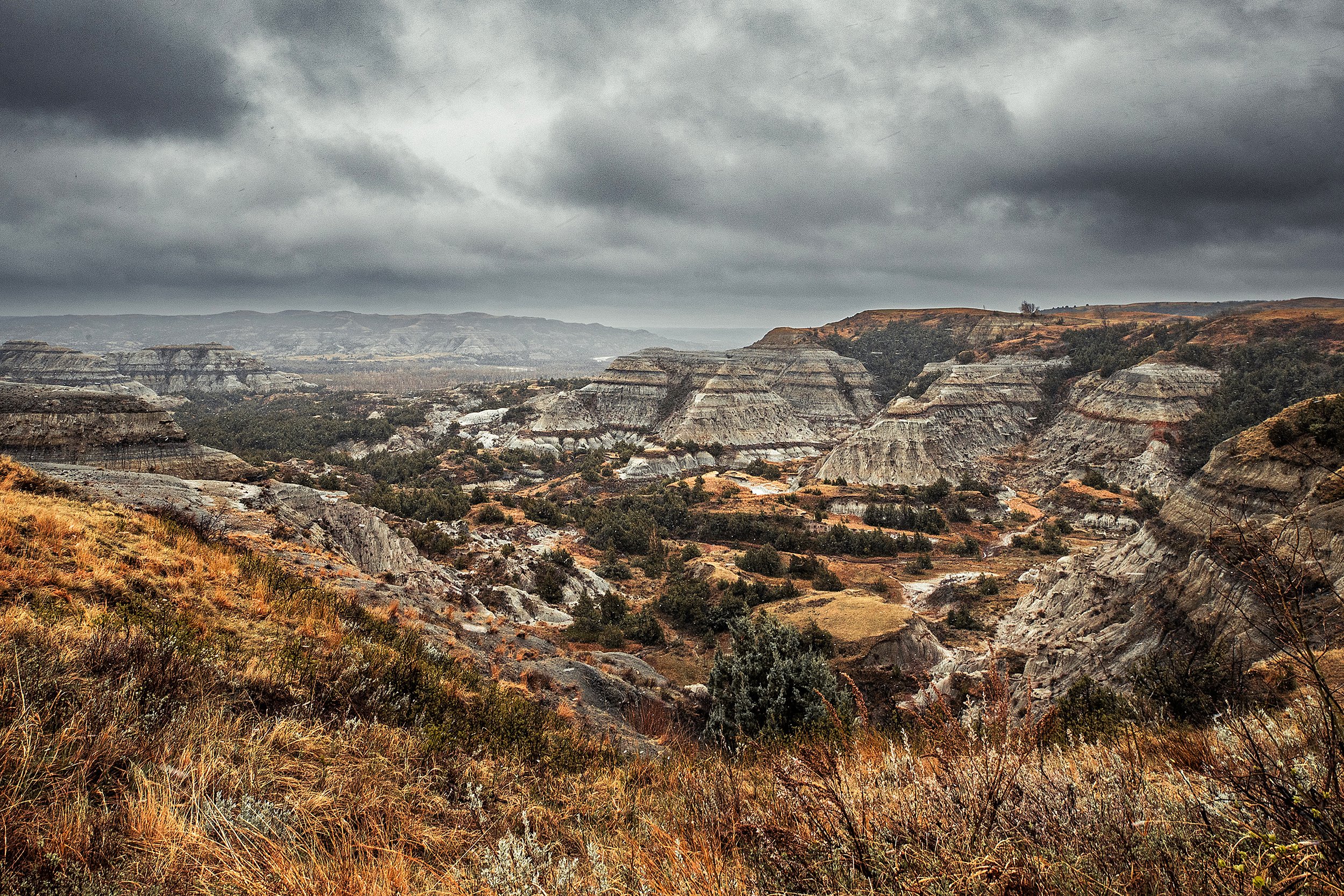
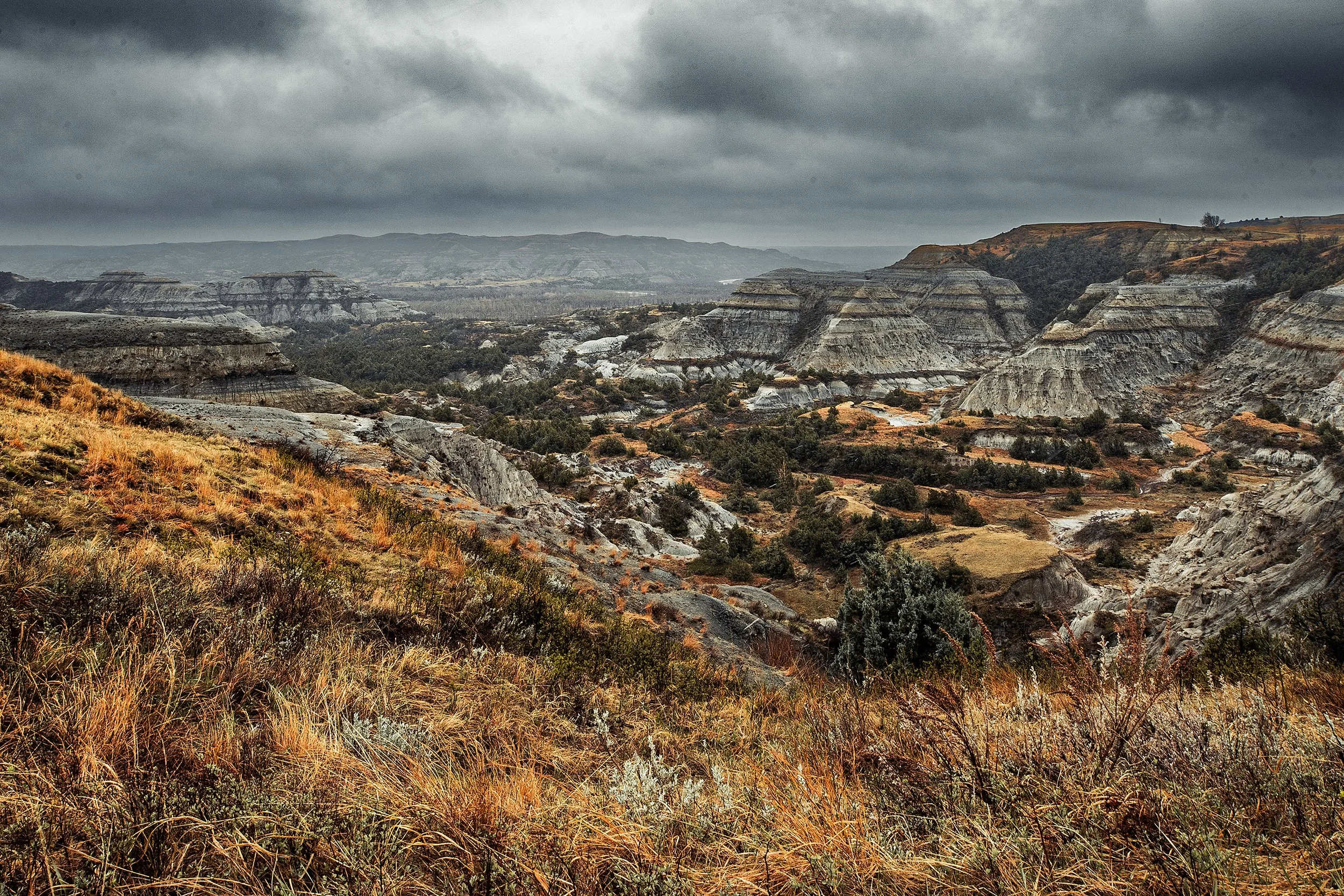
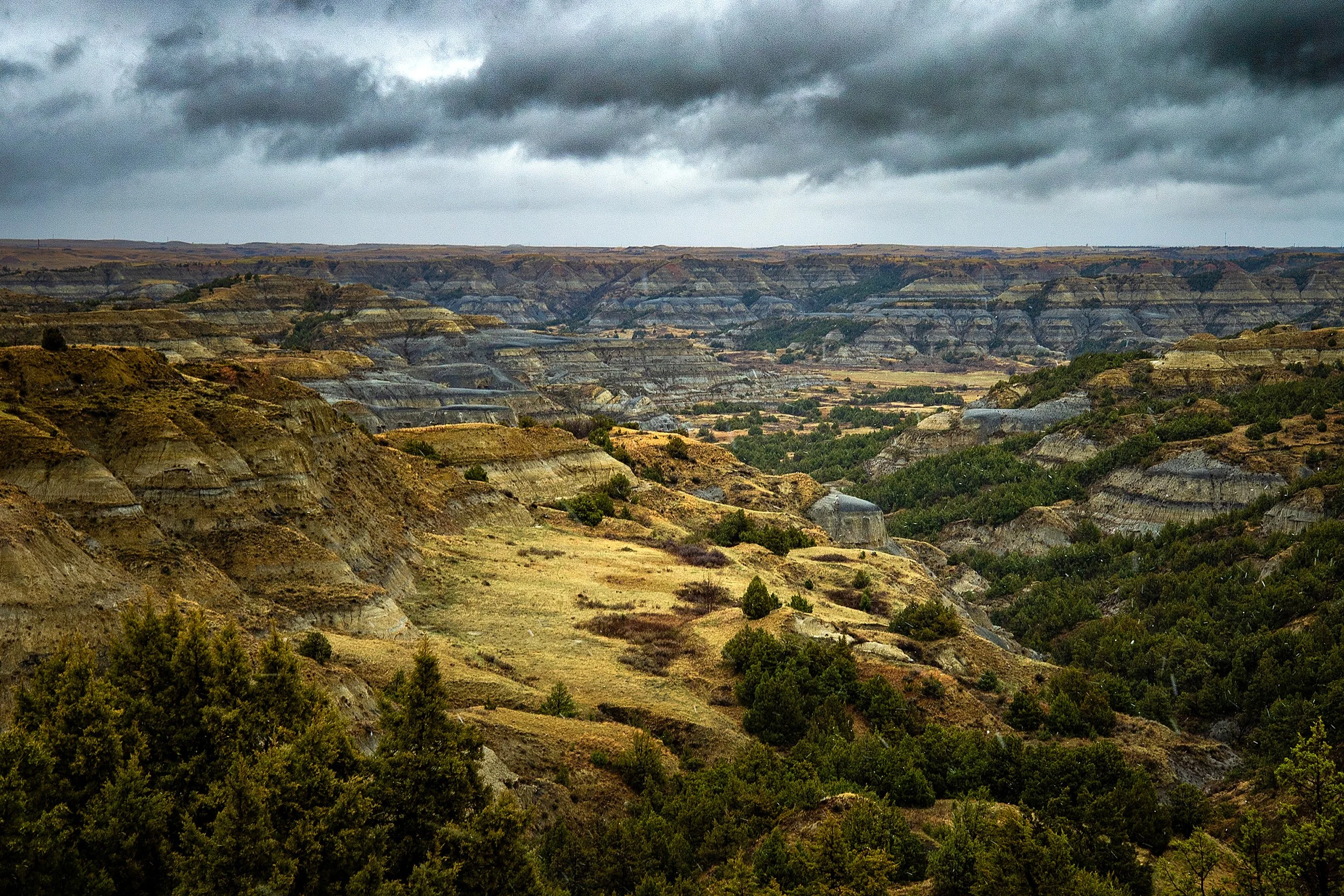
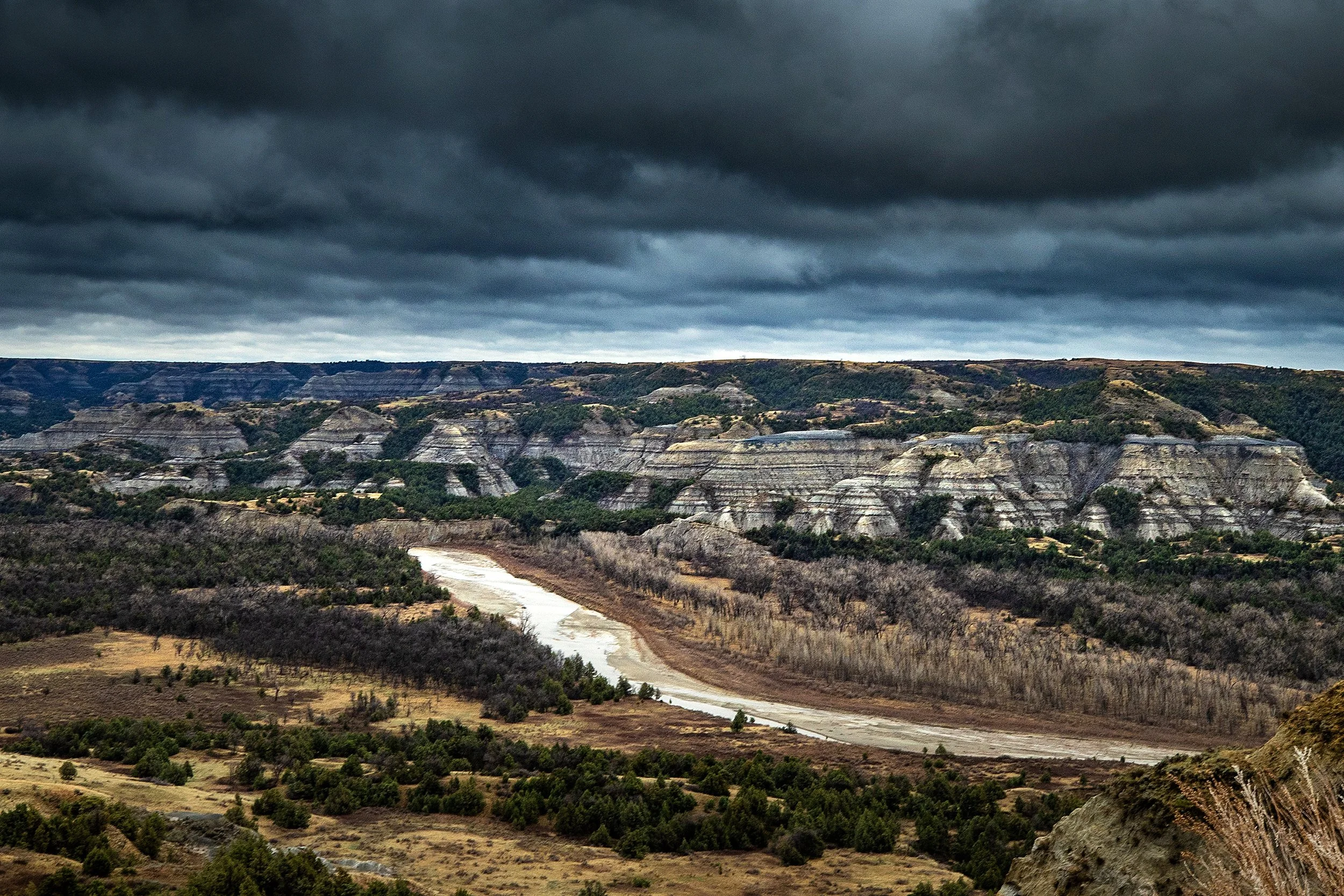
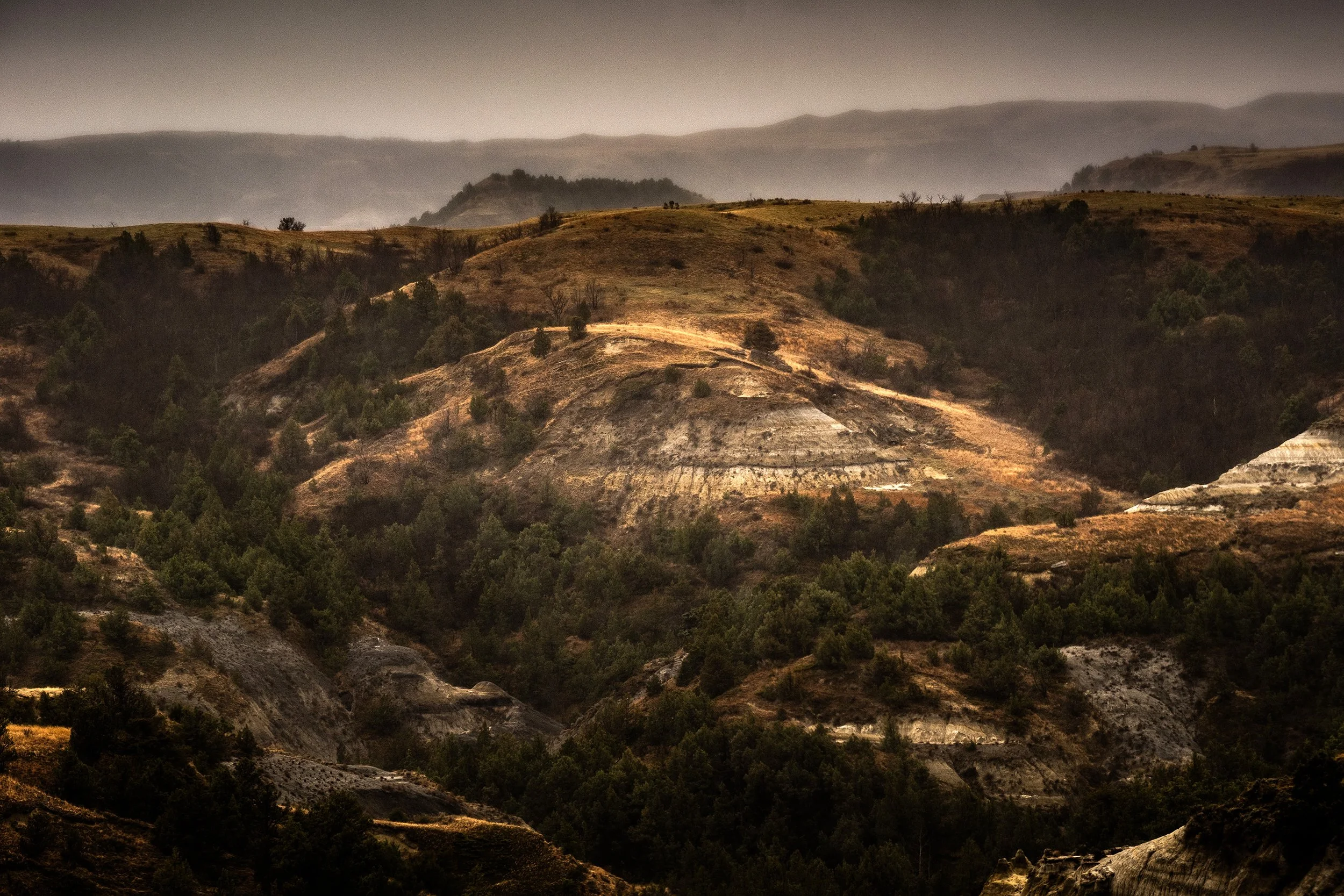
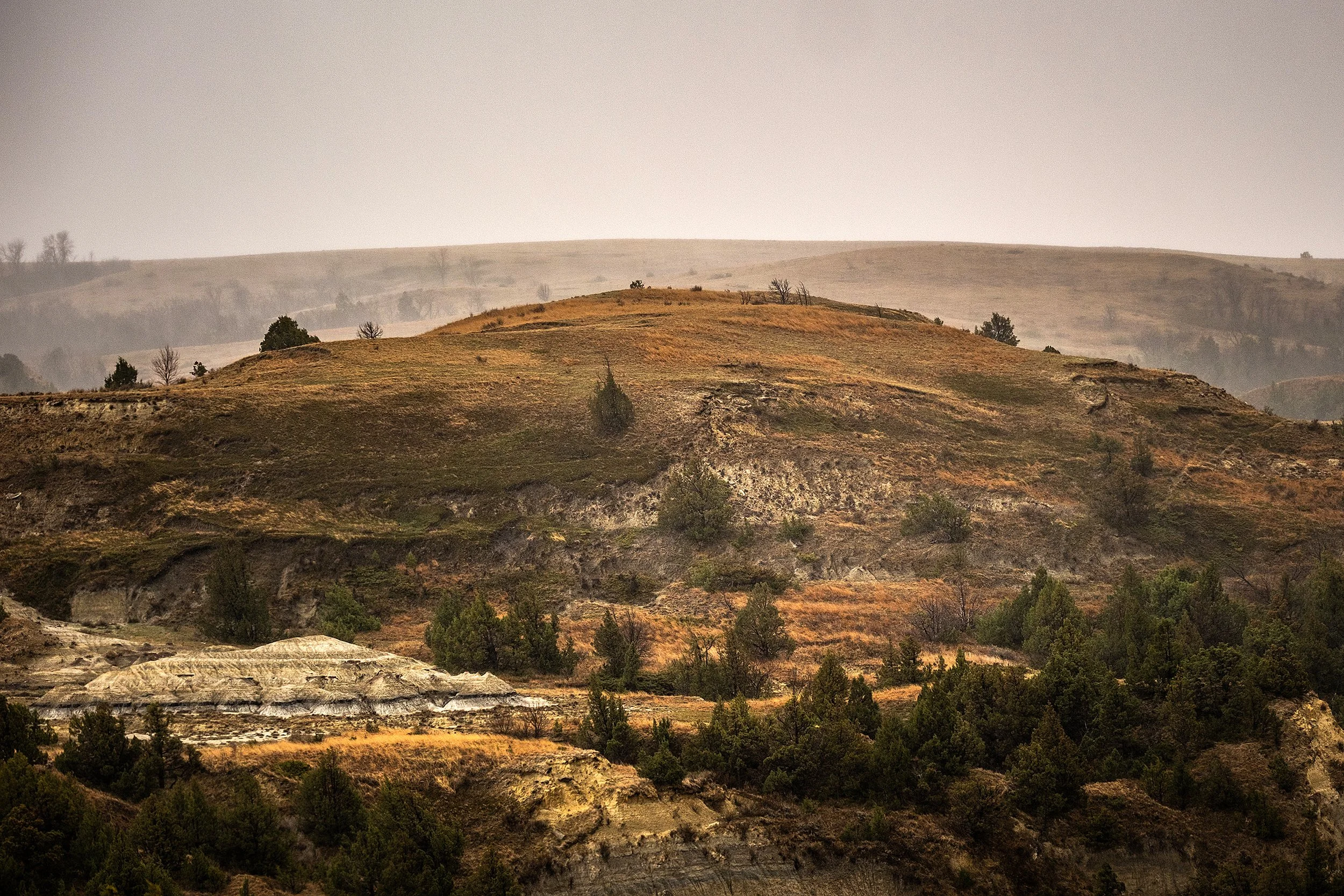
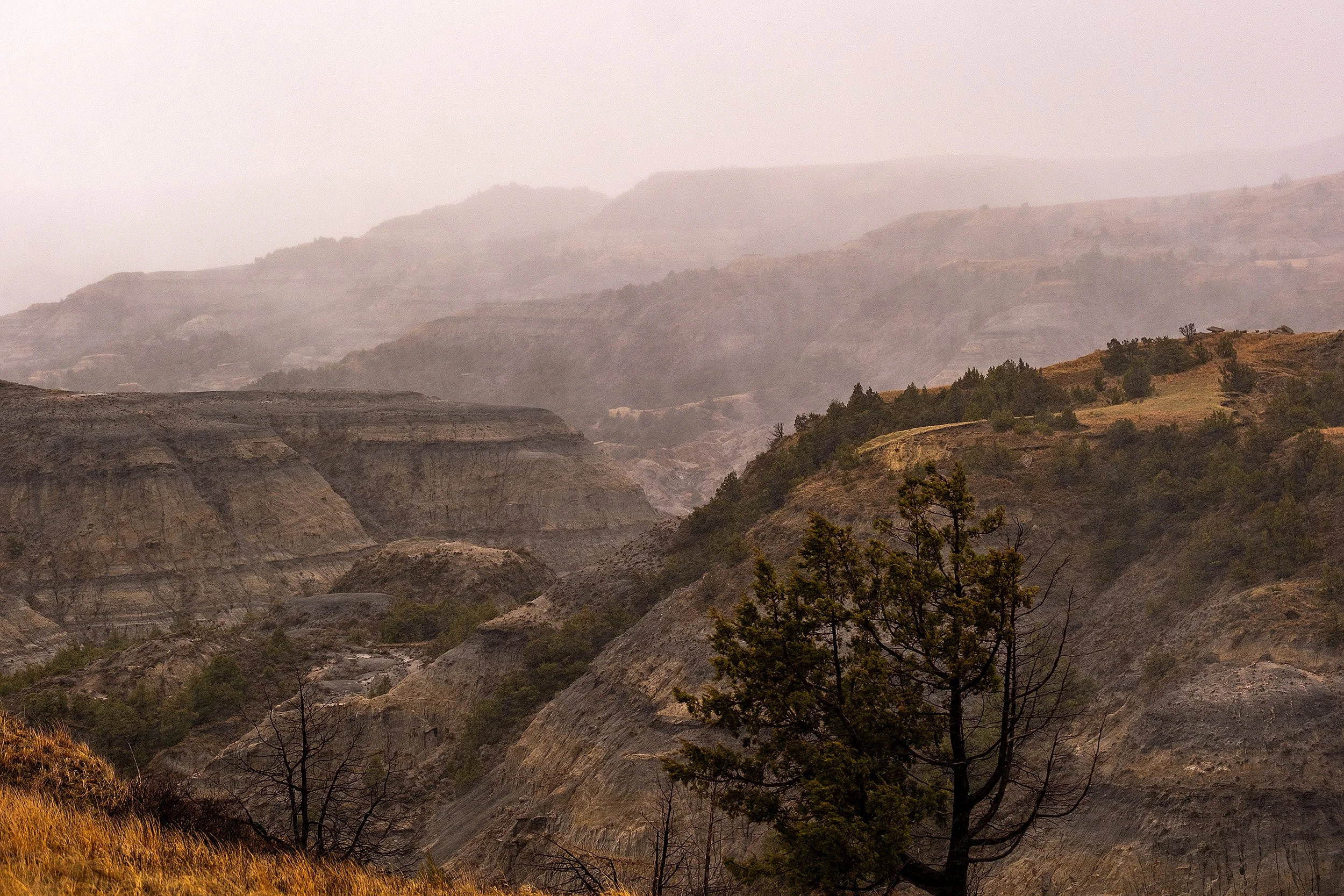
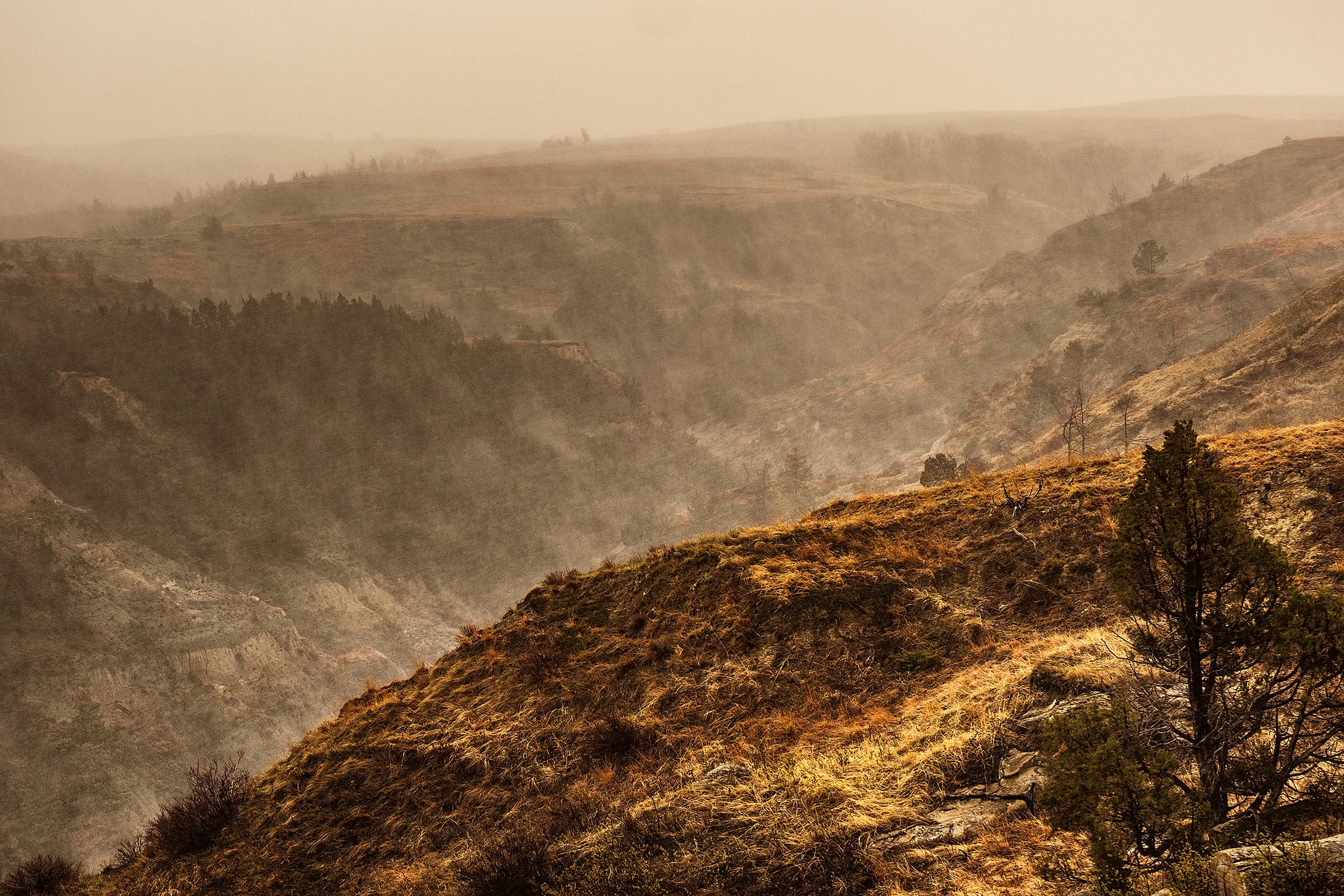
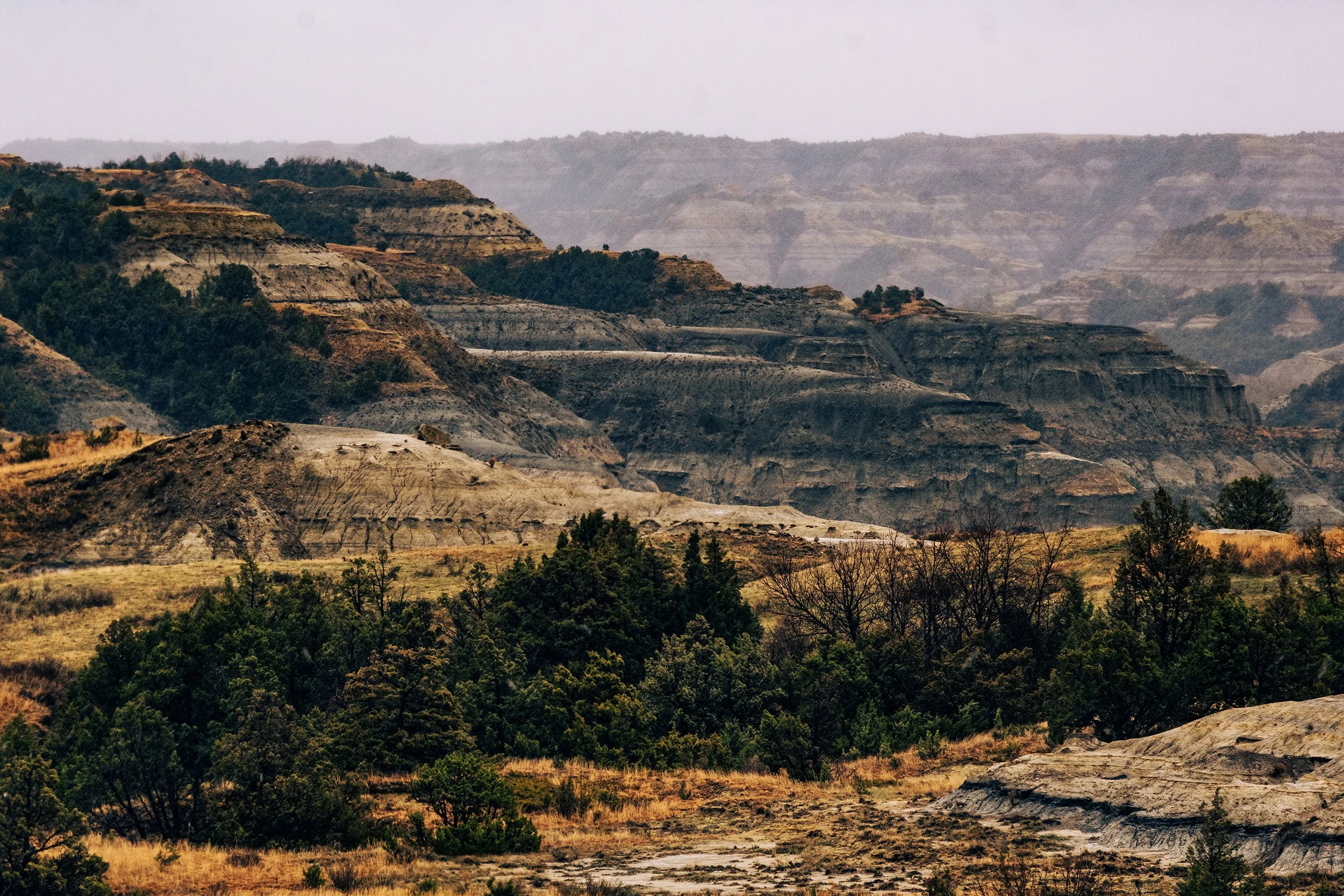
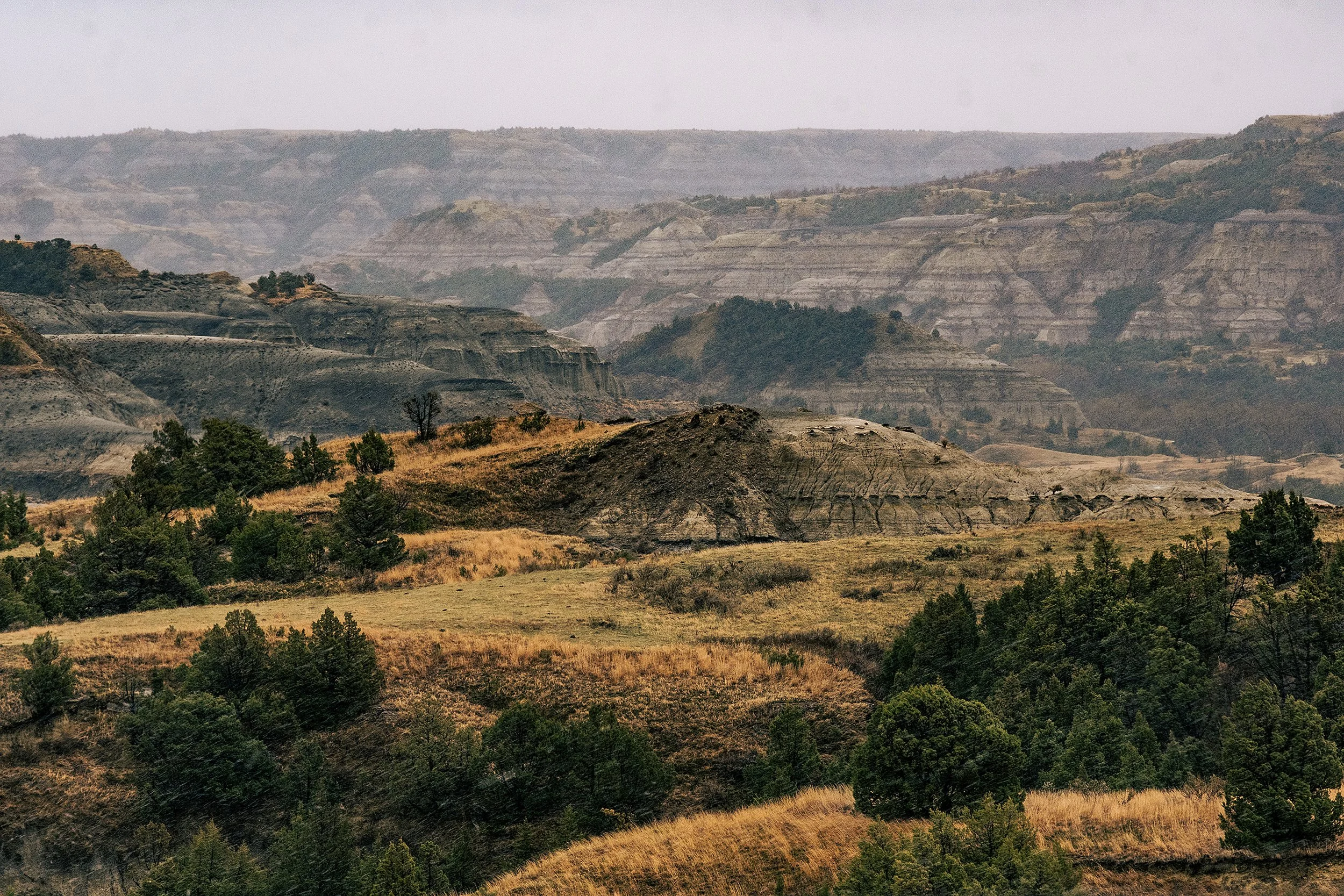
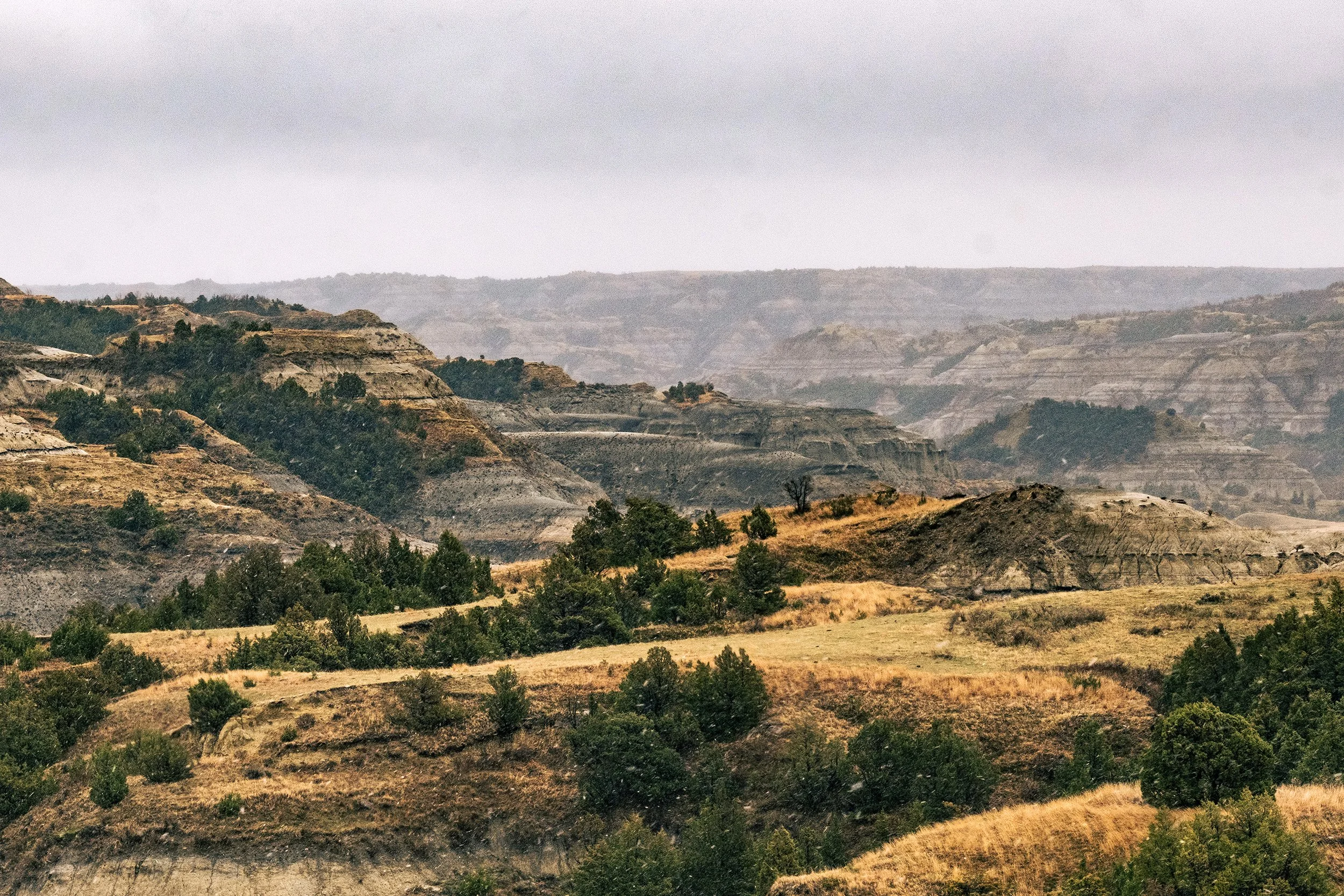
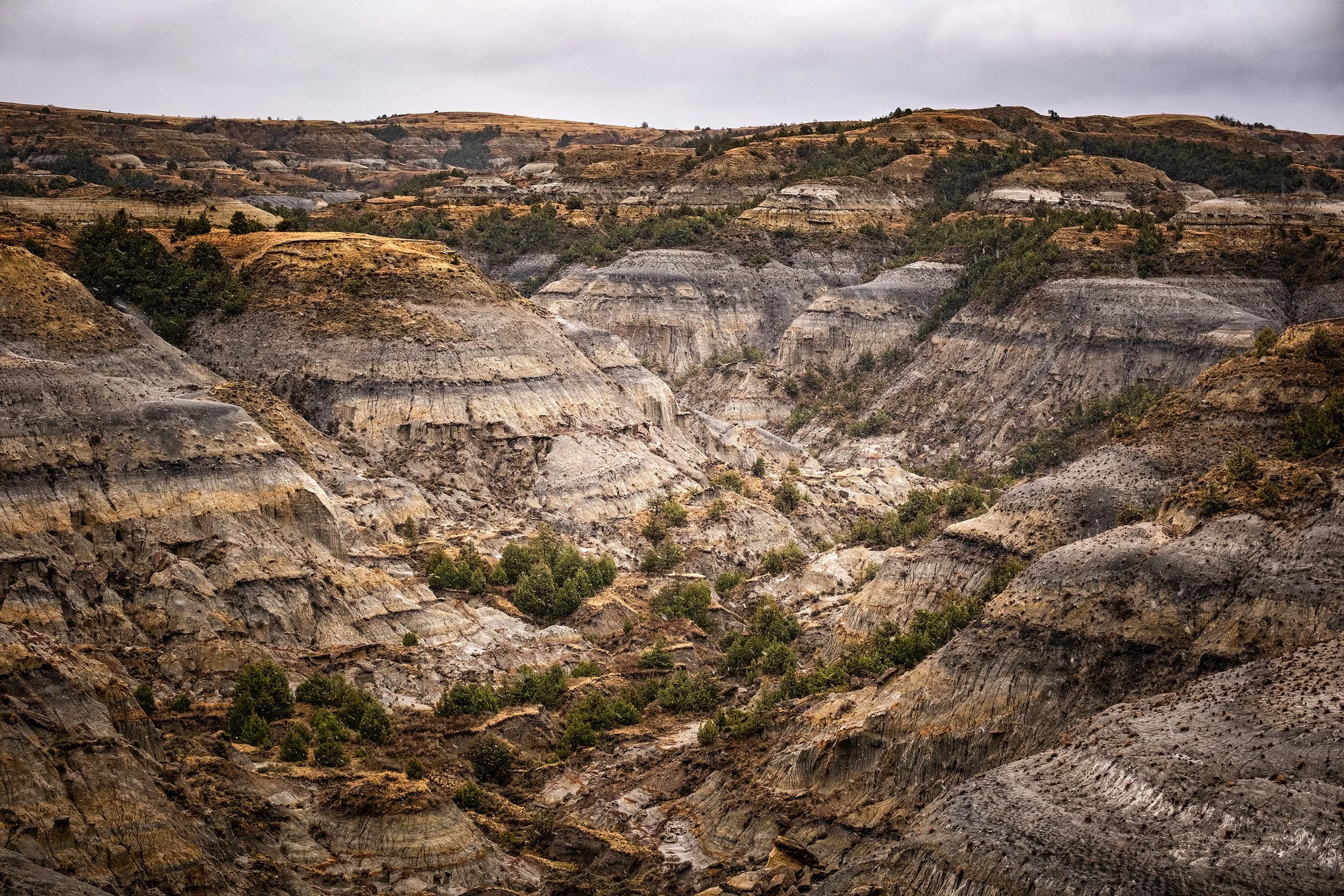
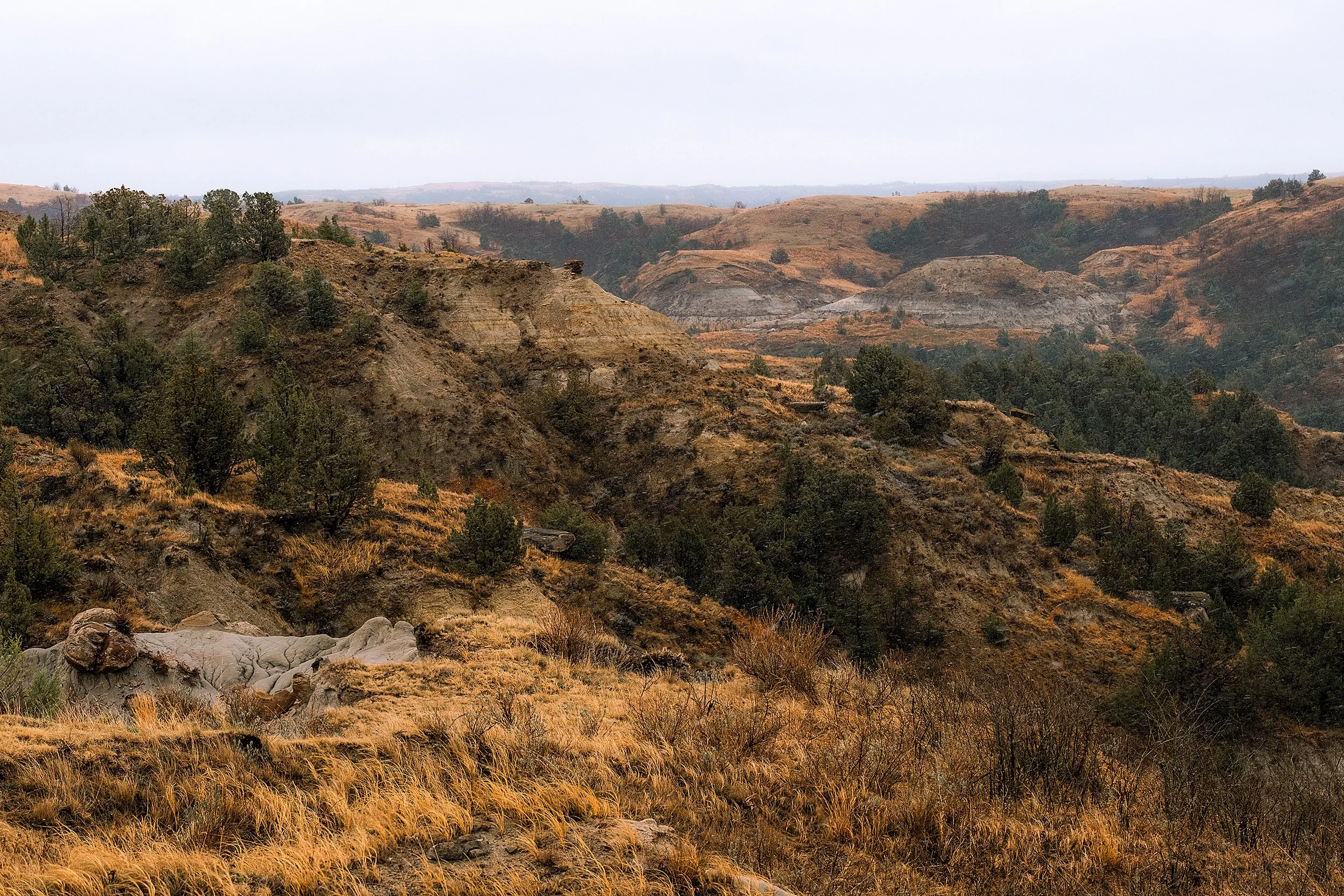
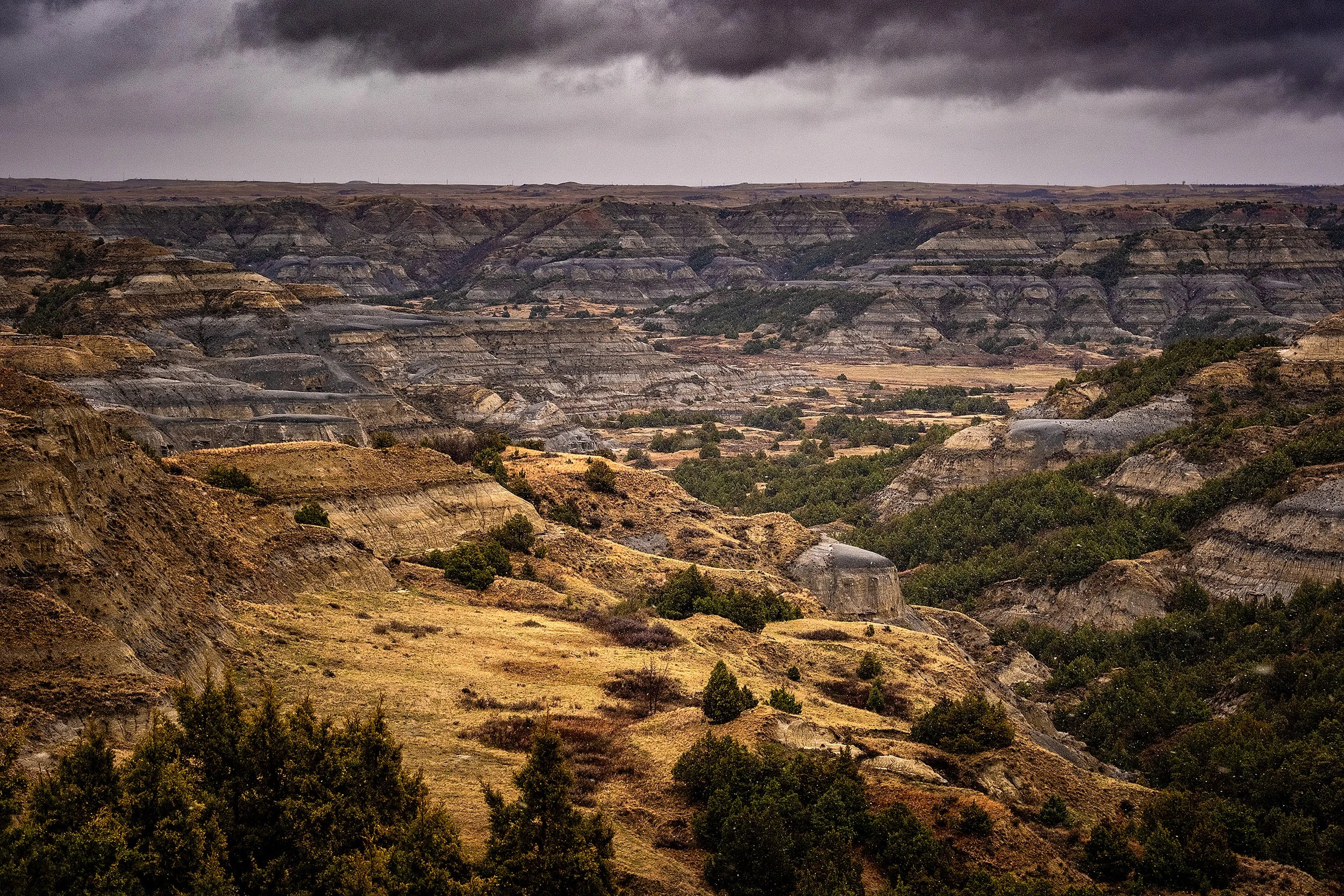
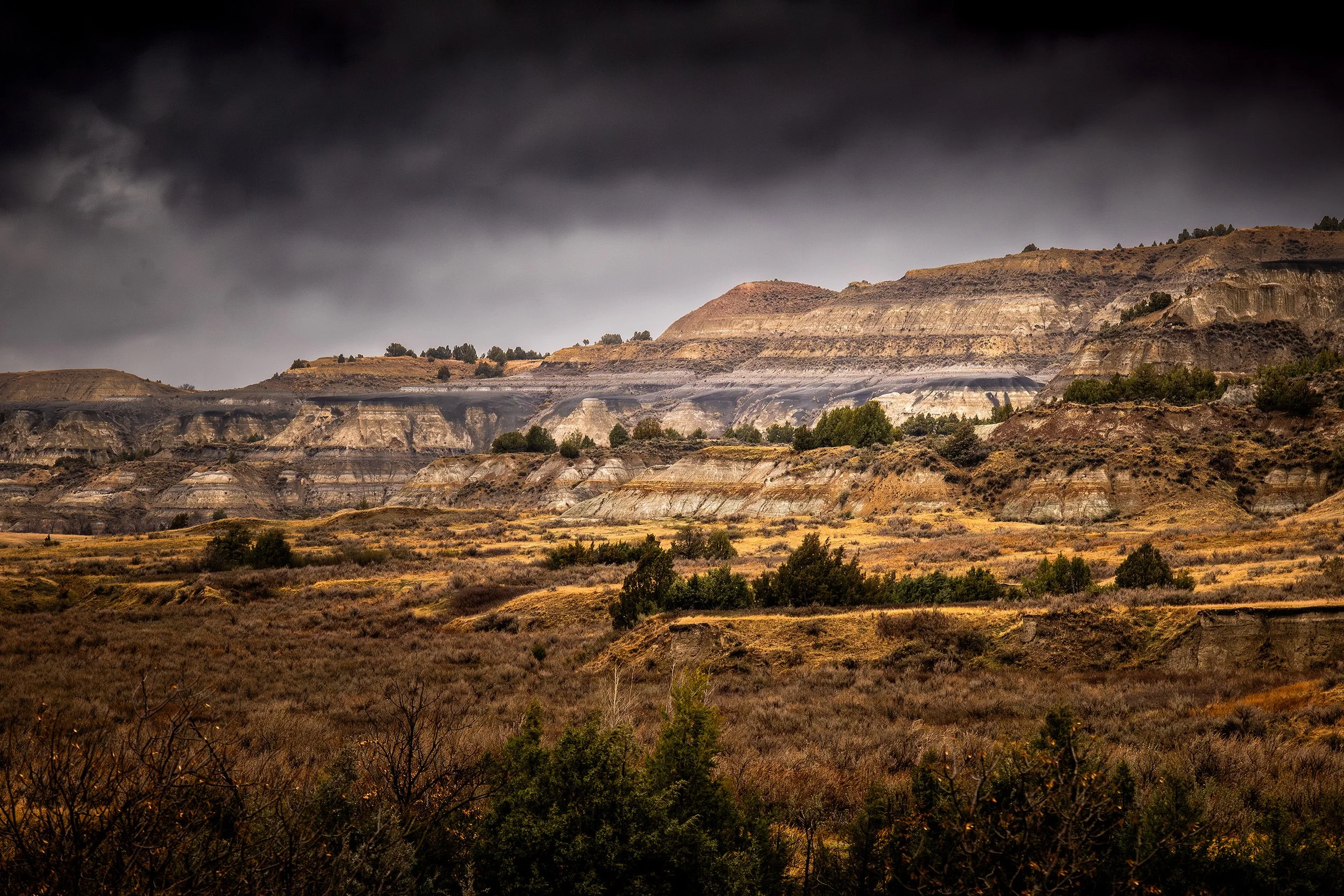
In the North Unit of Theodore Roosevelt National Park, the world feels pulled wider, quieter—stretched thin across ridgelines and sky. This is the more remote edge of the park, where fewer roads cut through the terrain and the silence carries weight. The shoot began in cool morning air, the kind that lingers low in the draws before lifting into a soft, diffused glow.
Light Moving Across Distance
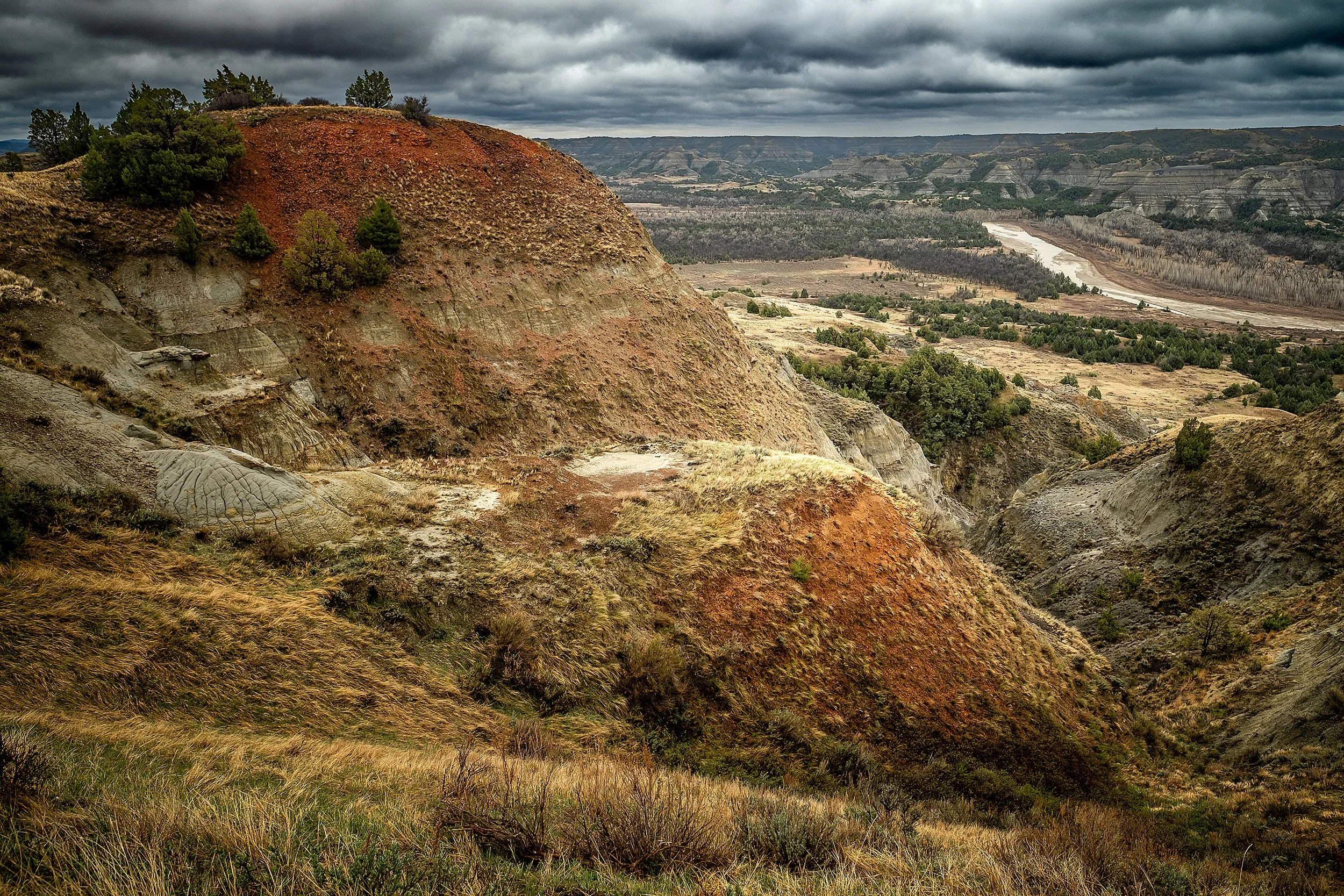
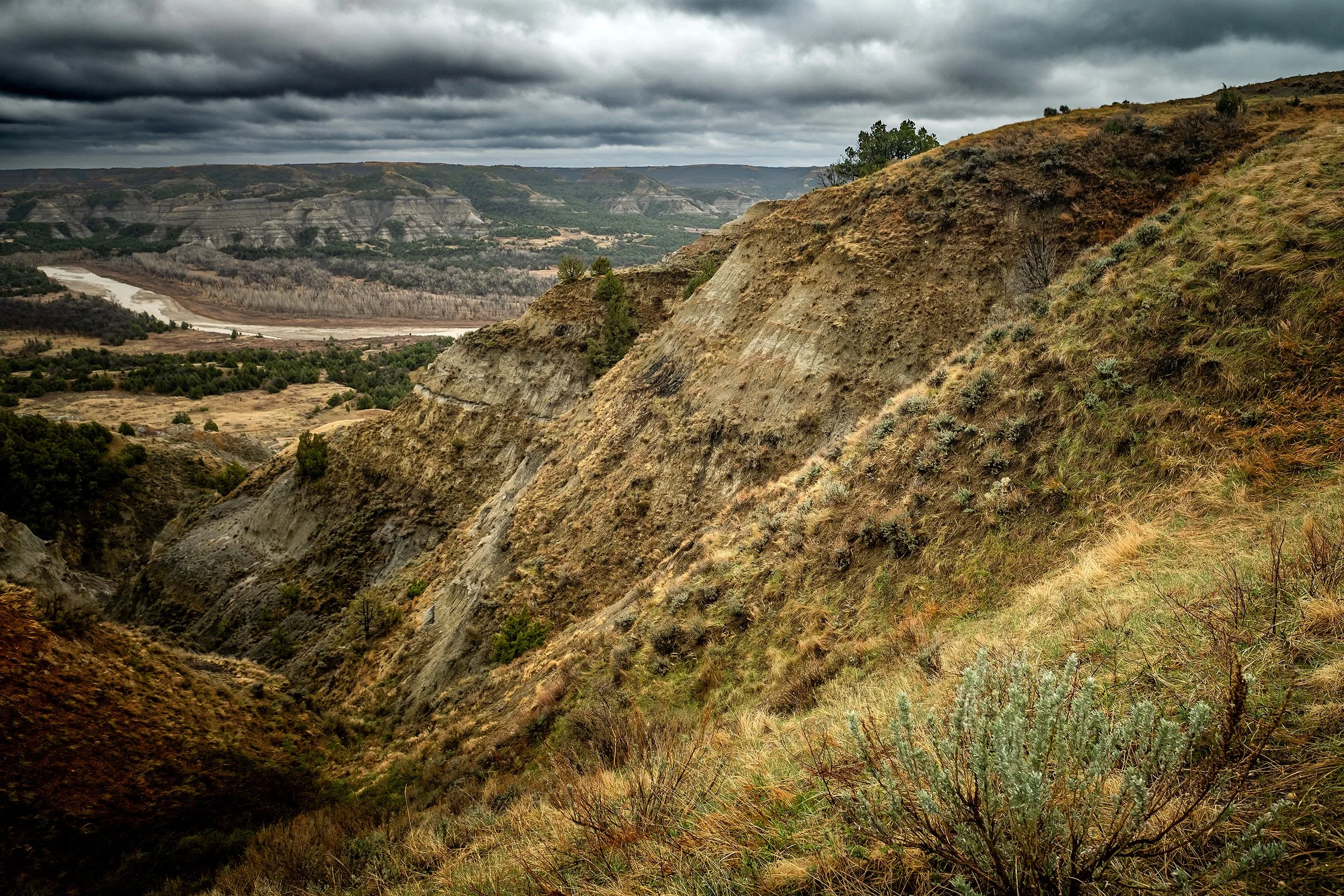
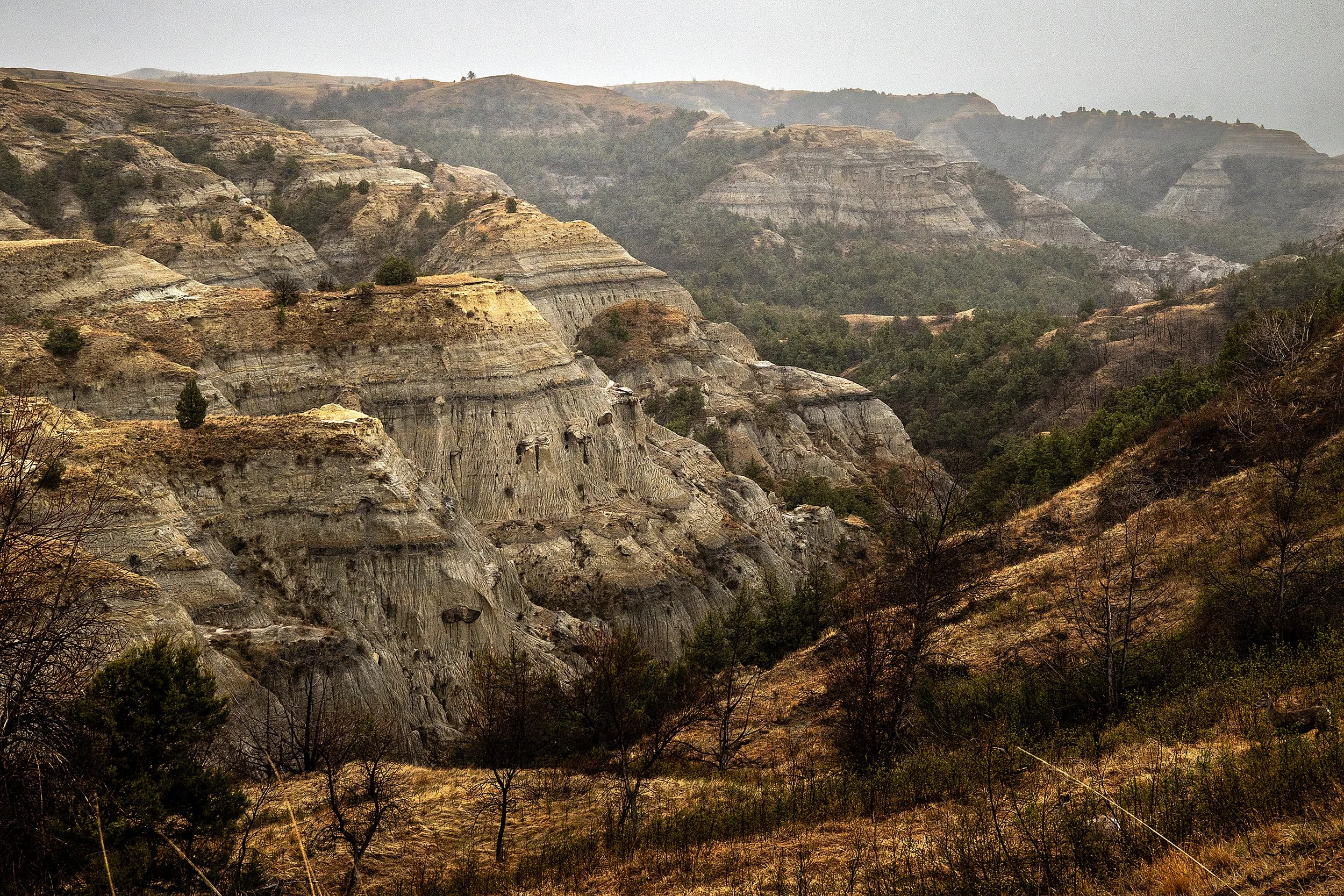
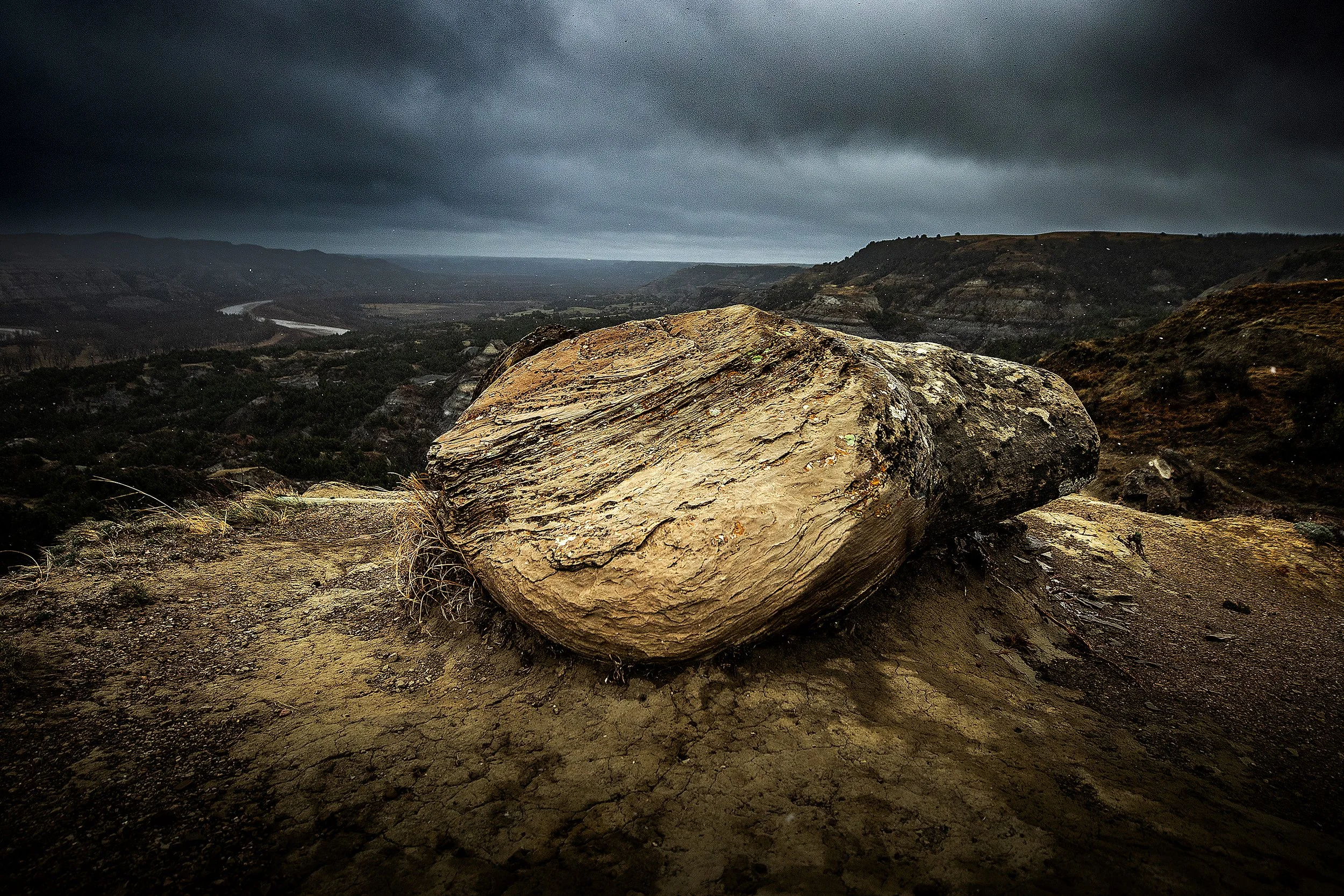
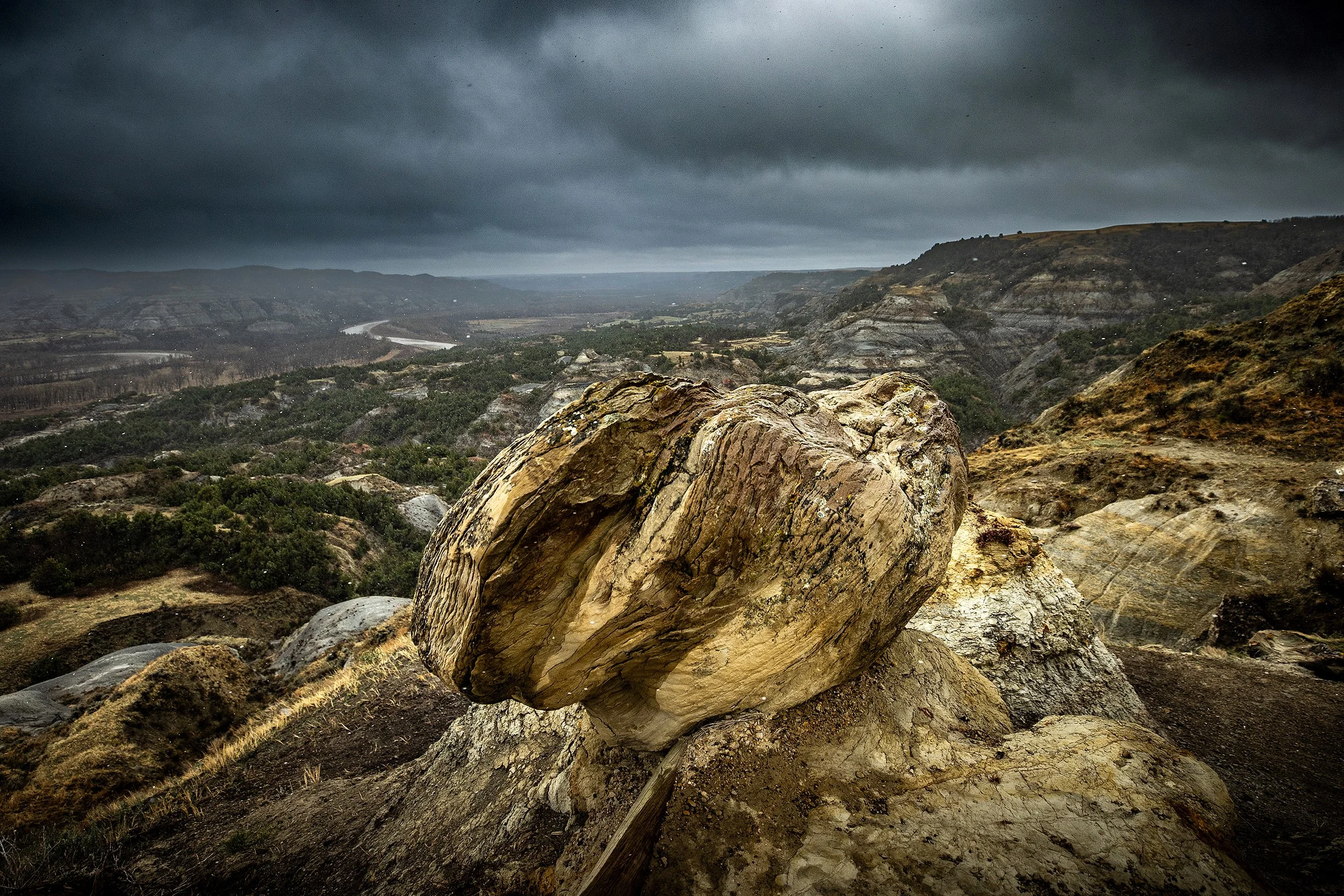
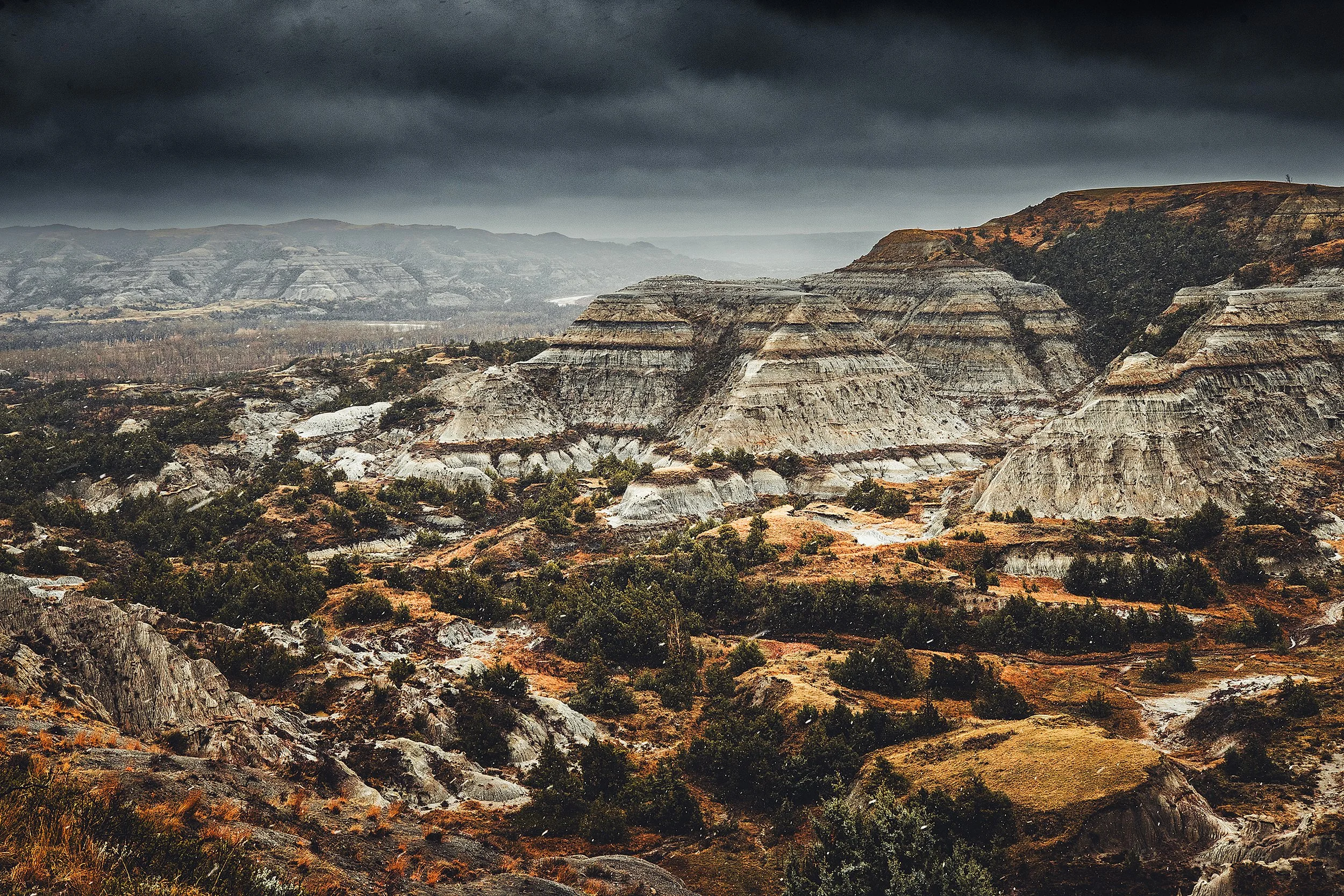
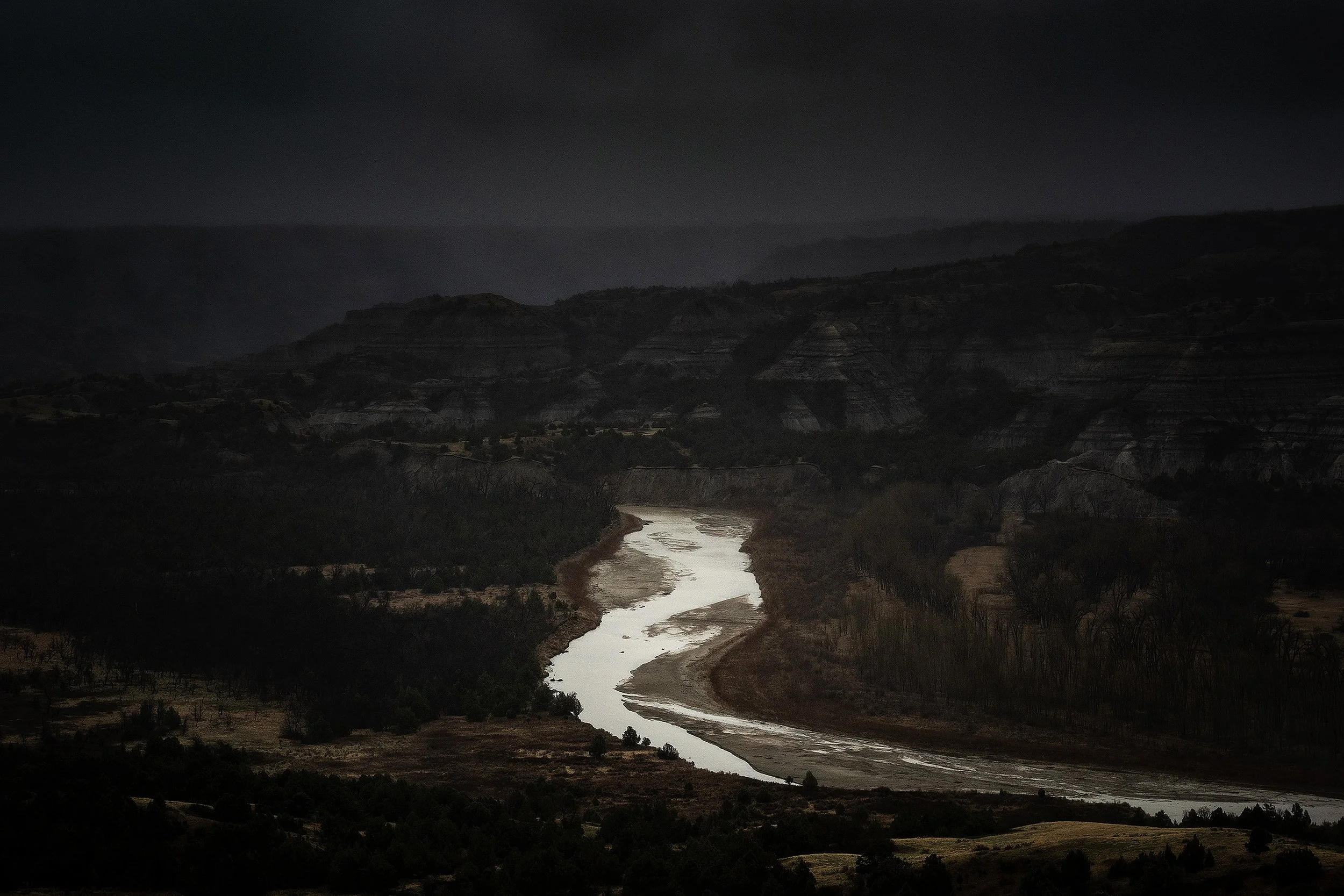
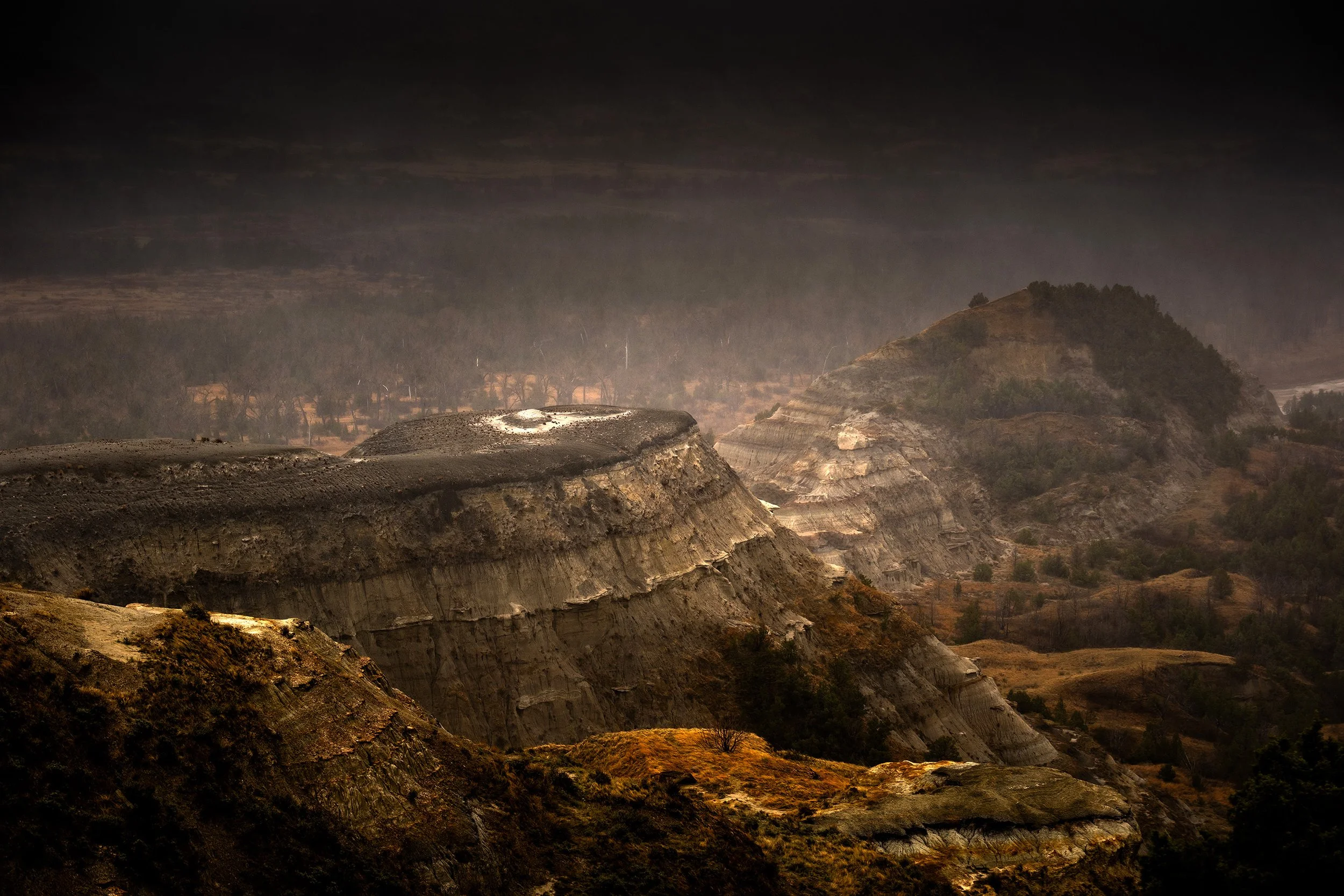
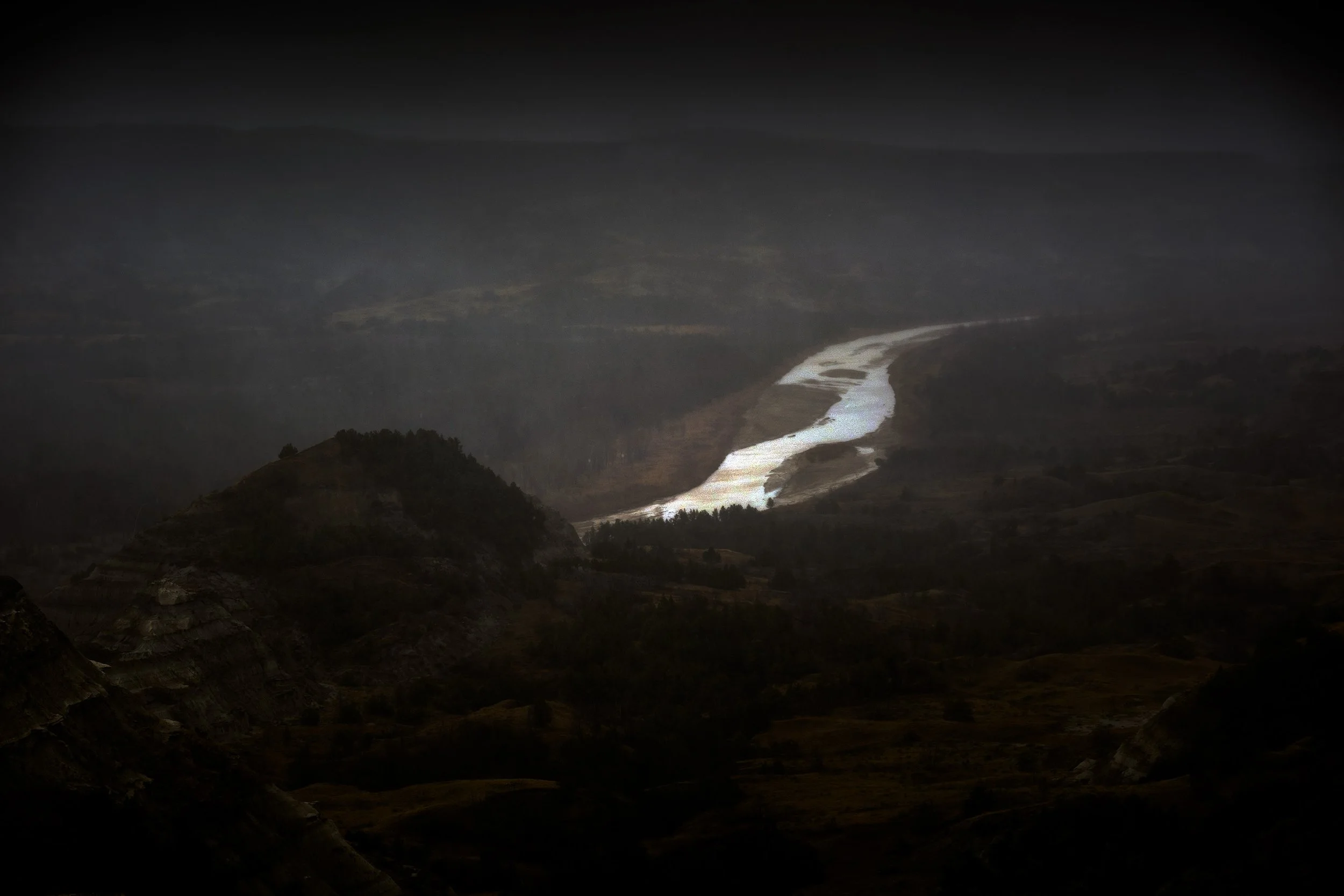
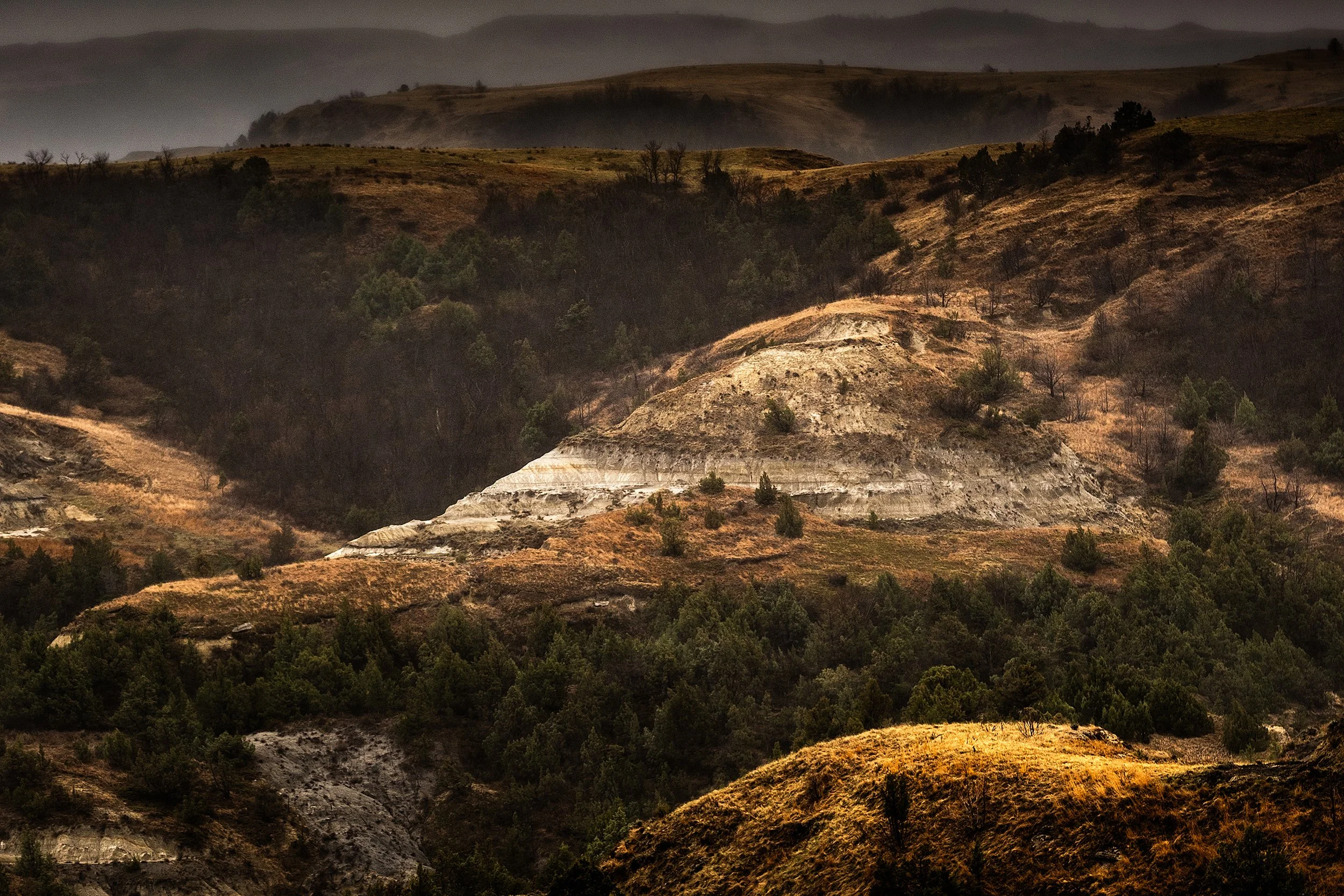
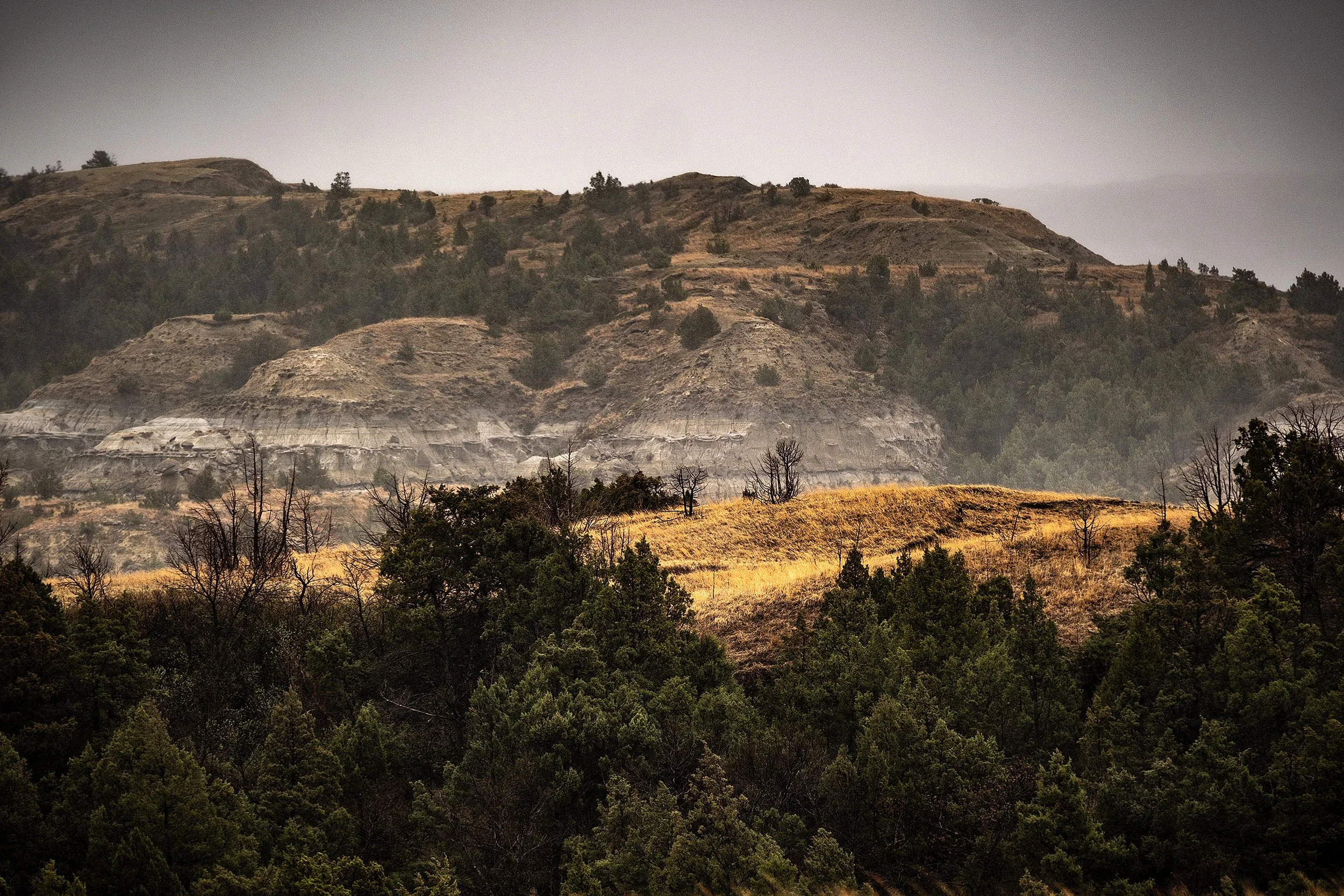
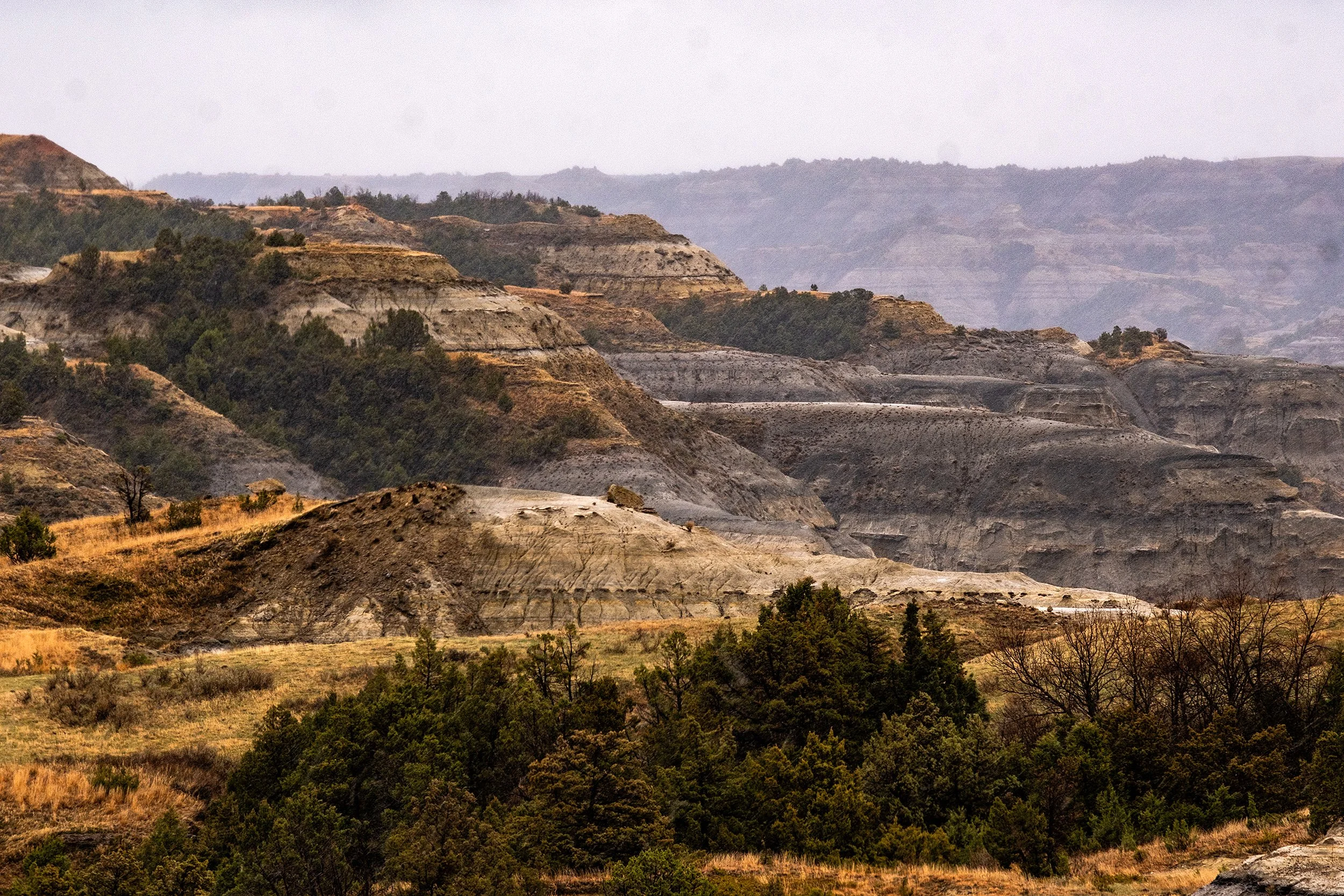
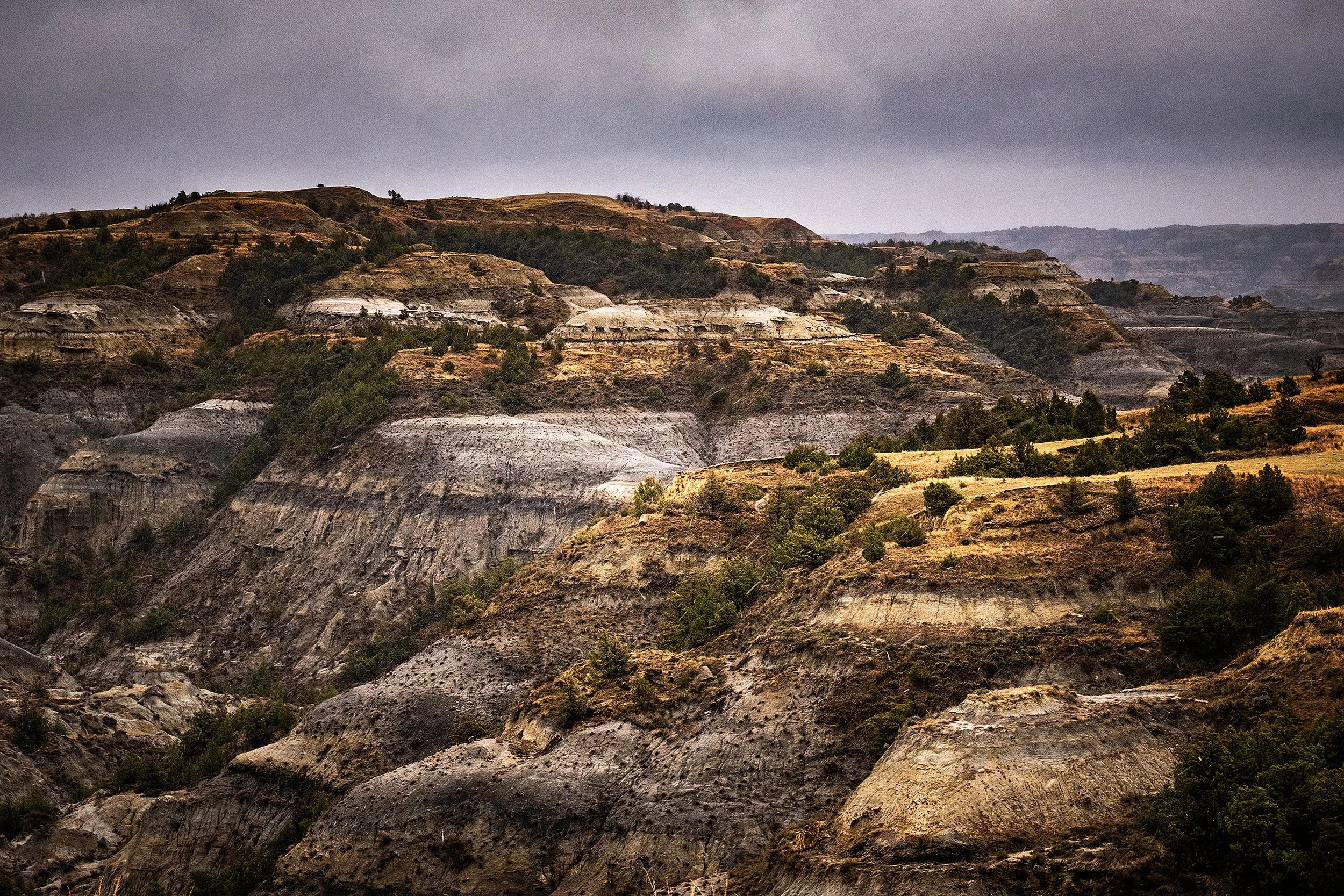
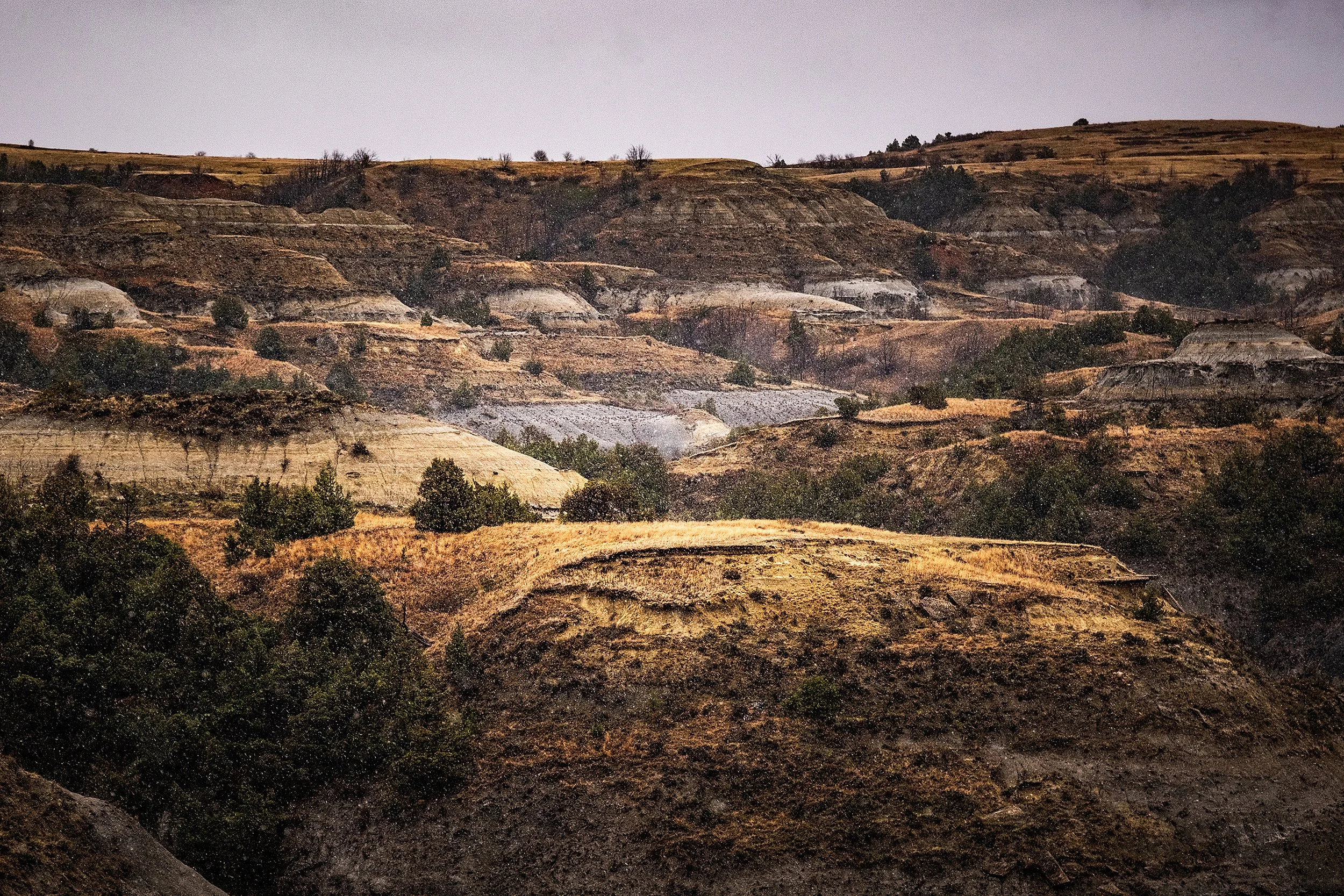
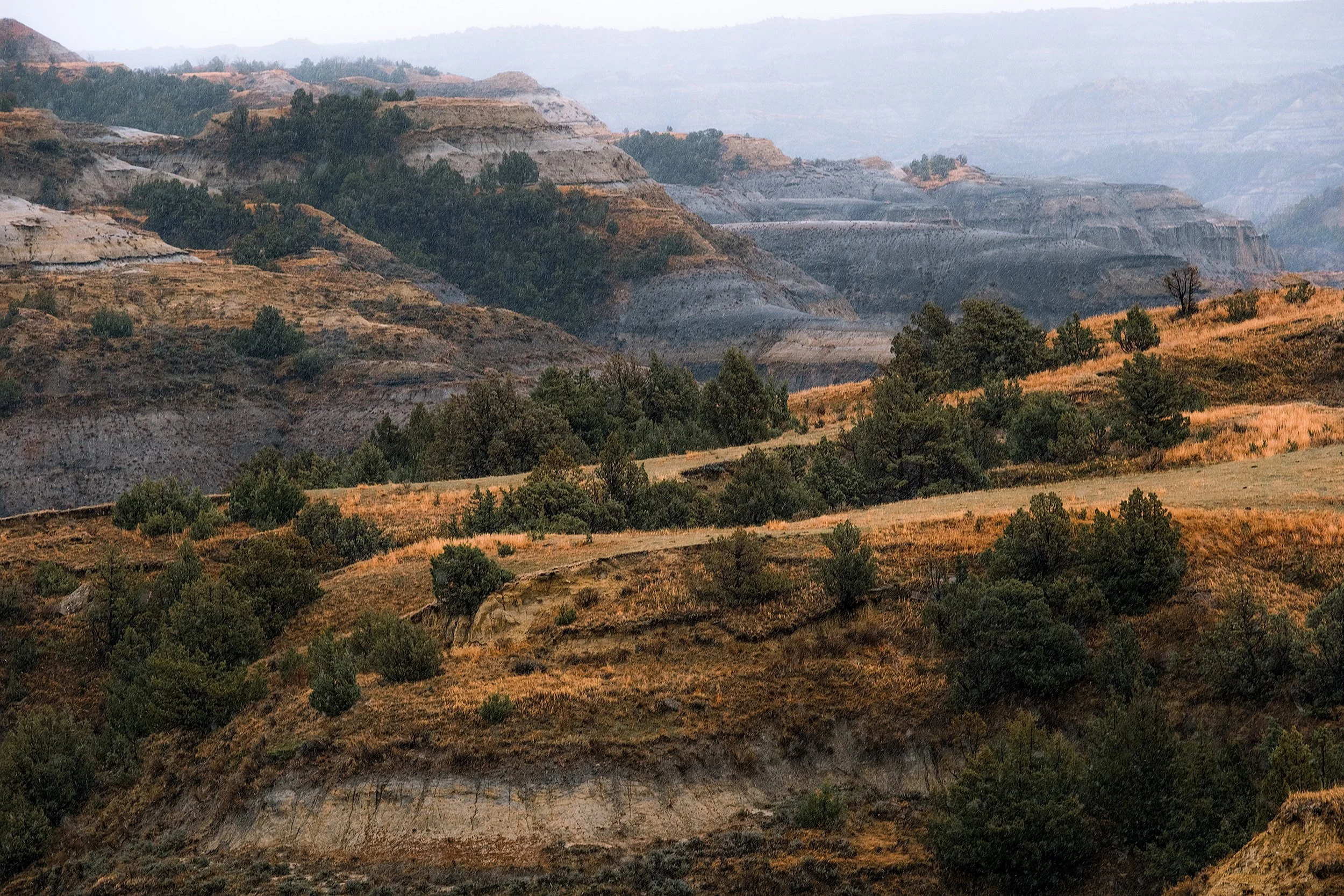
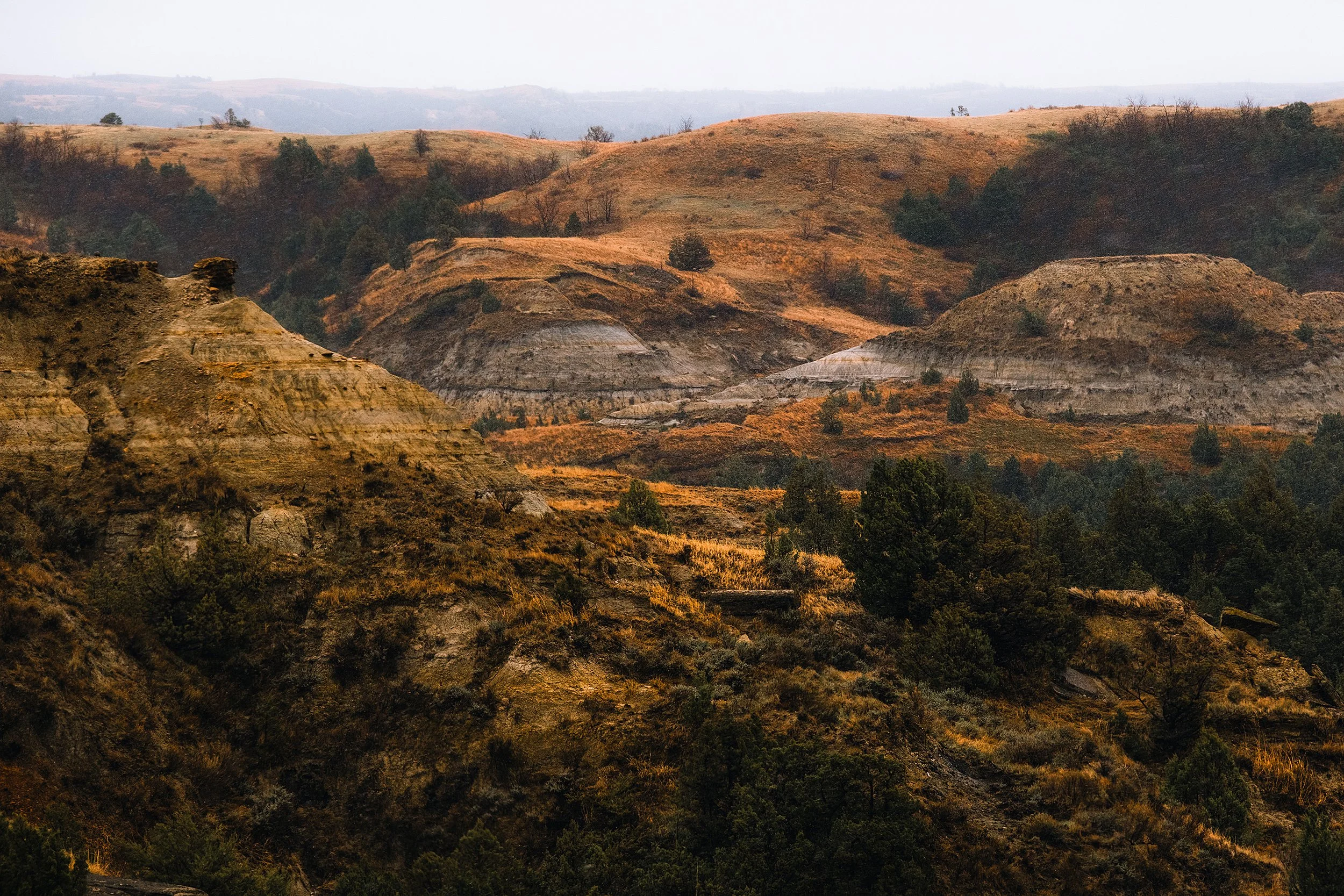
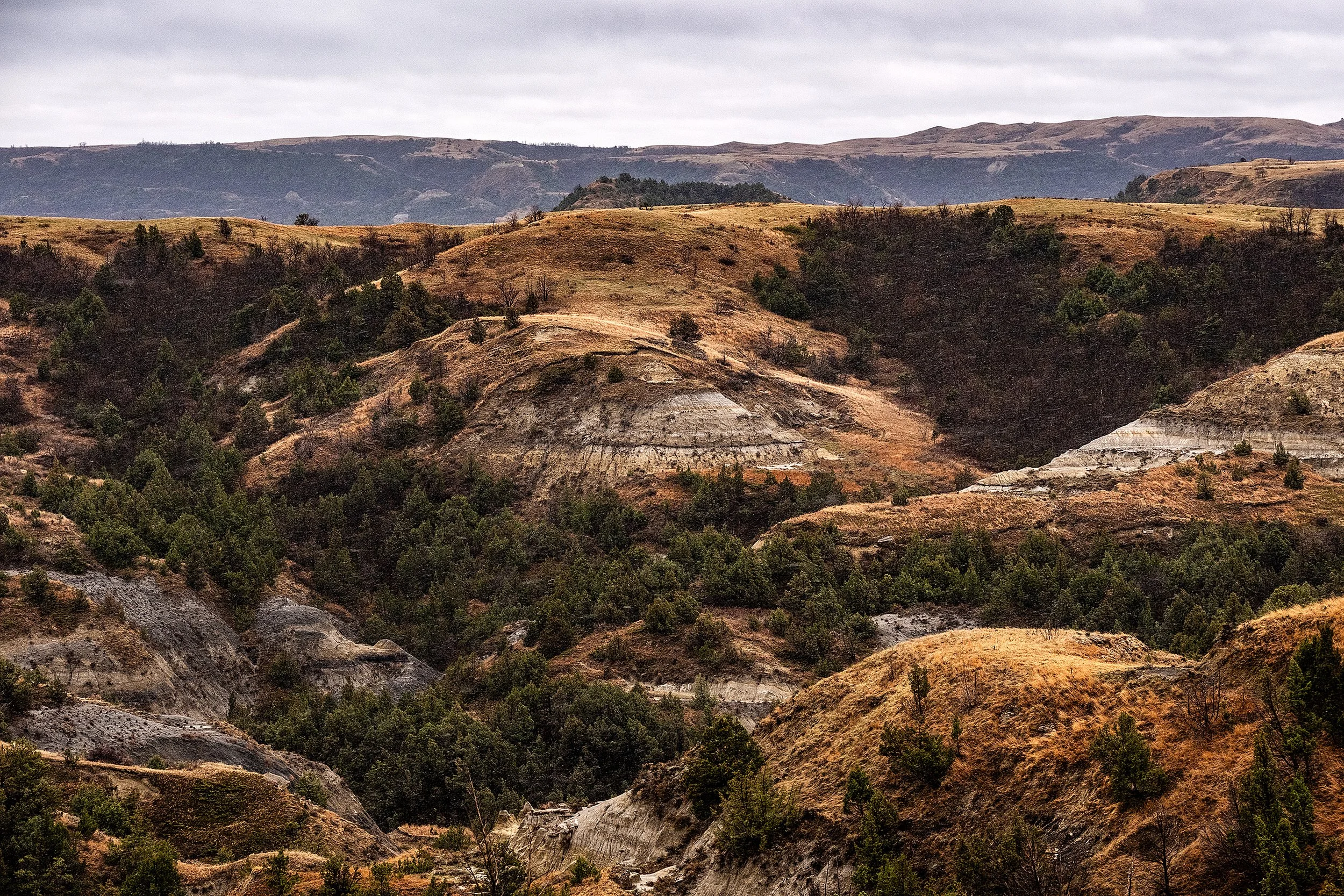
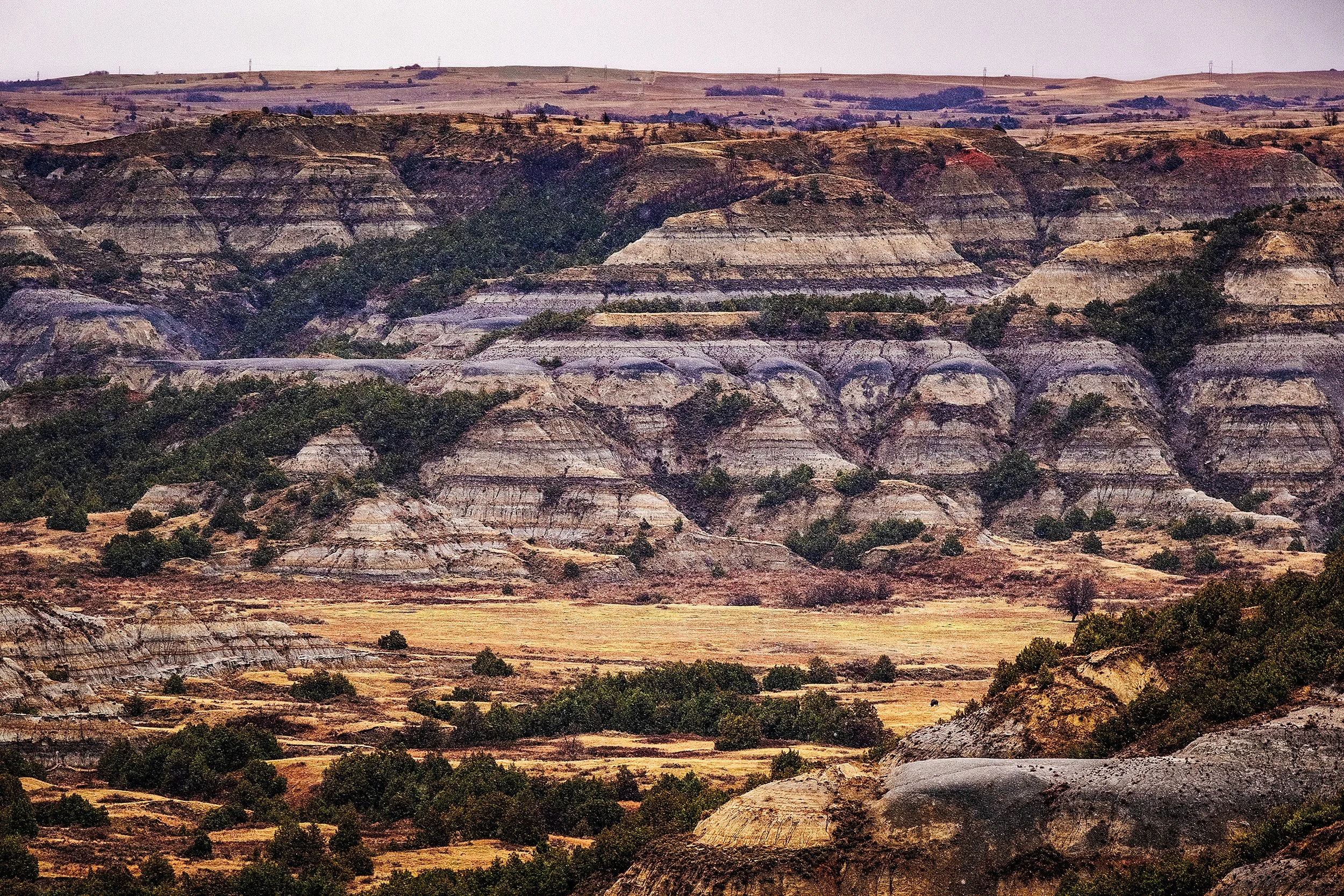
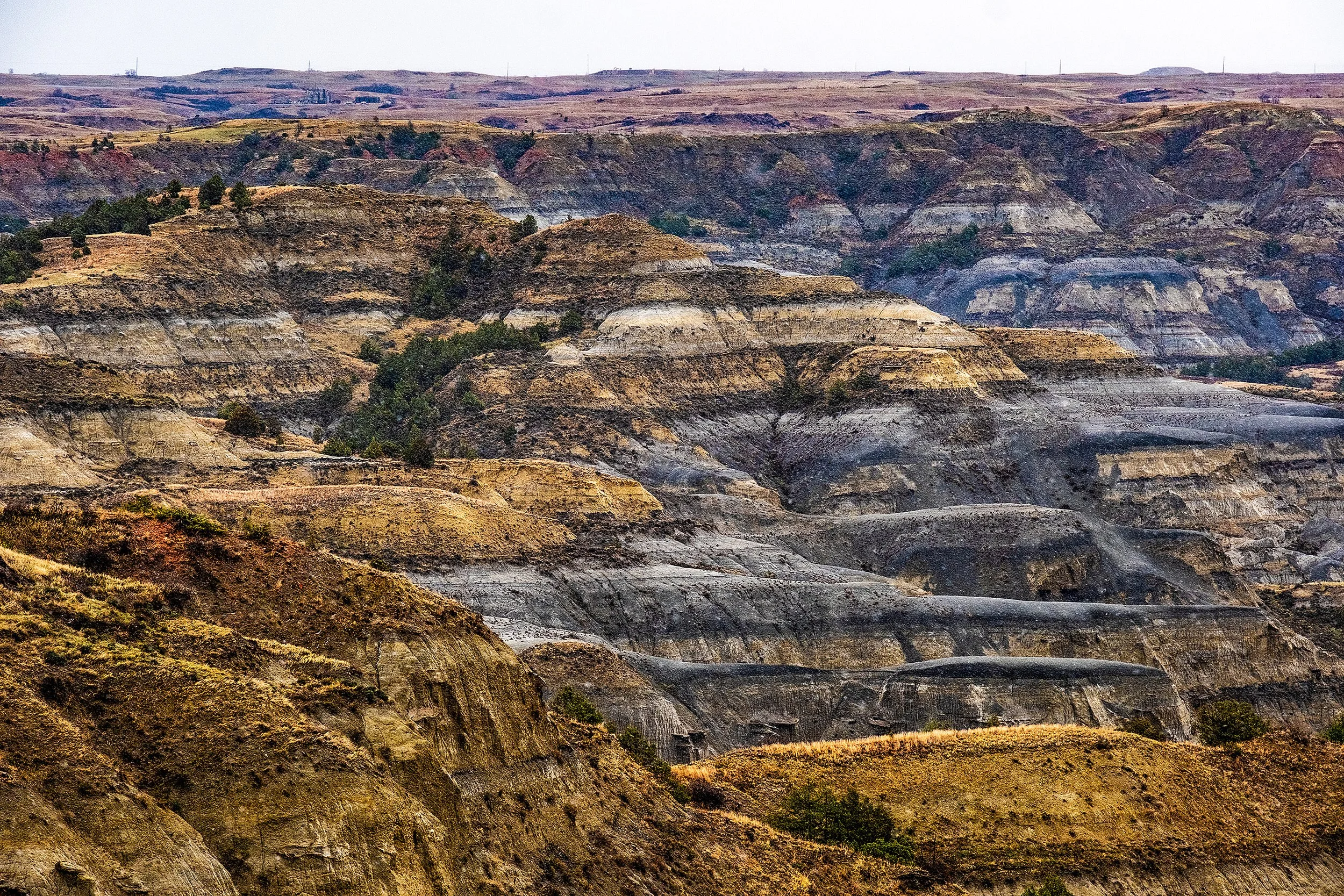
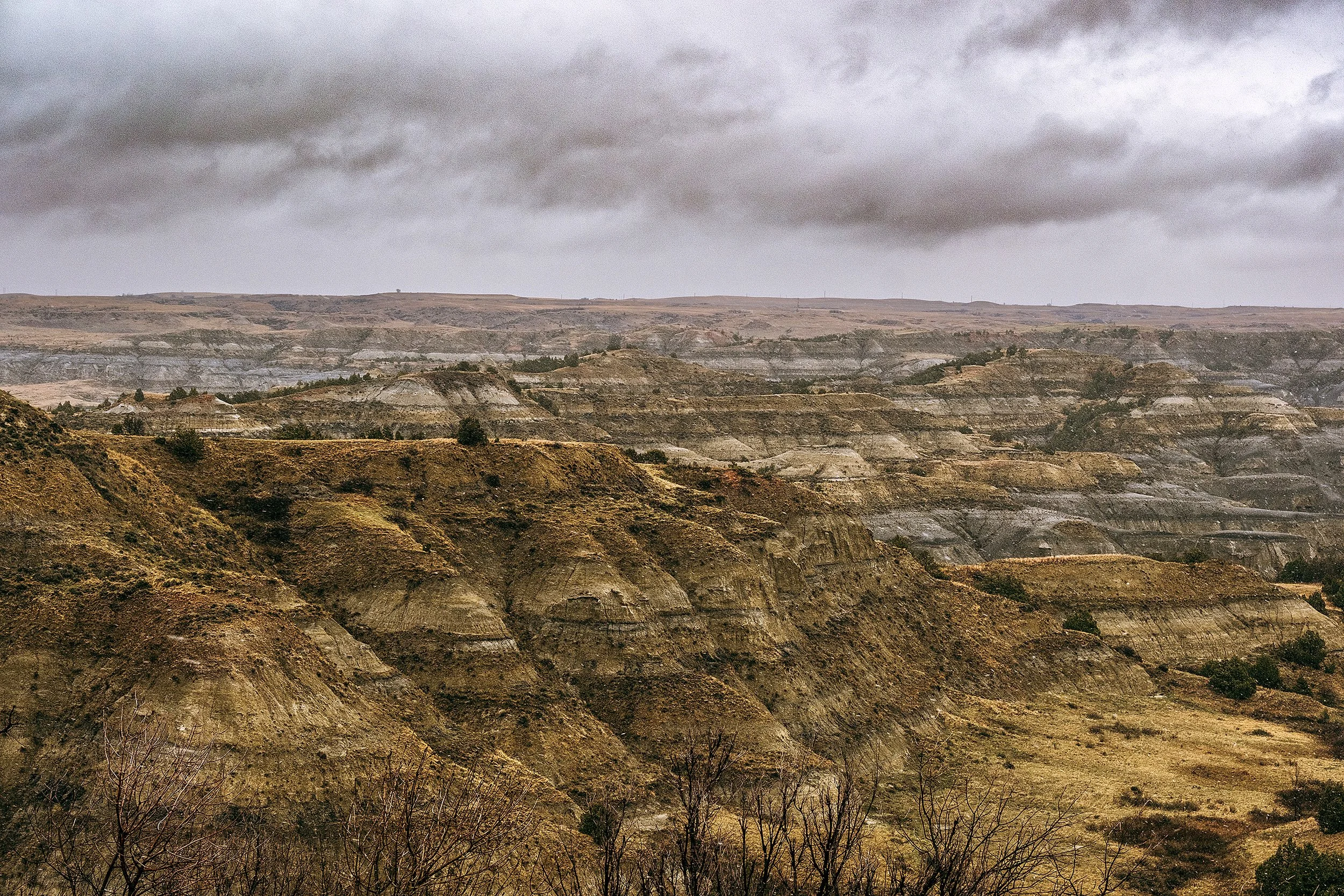
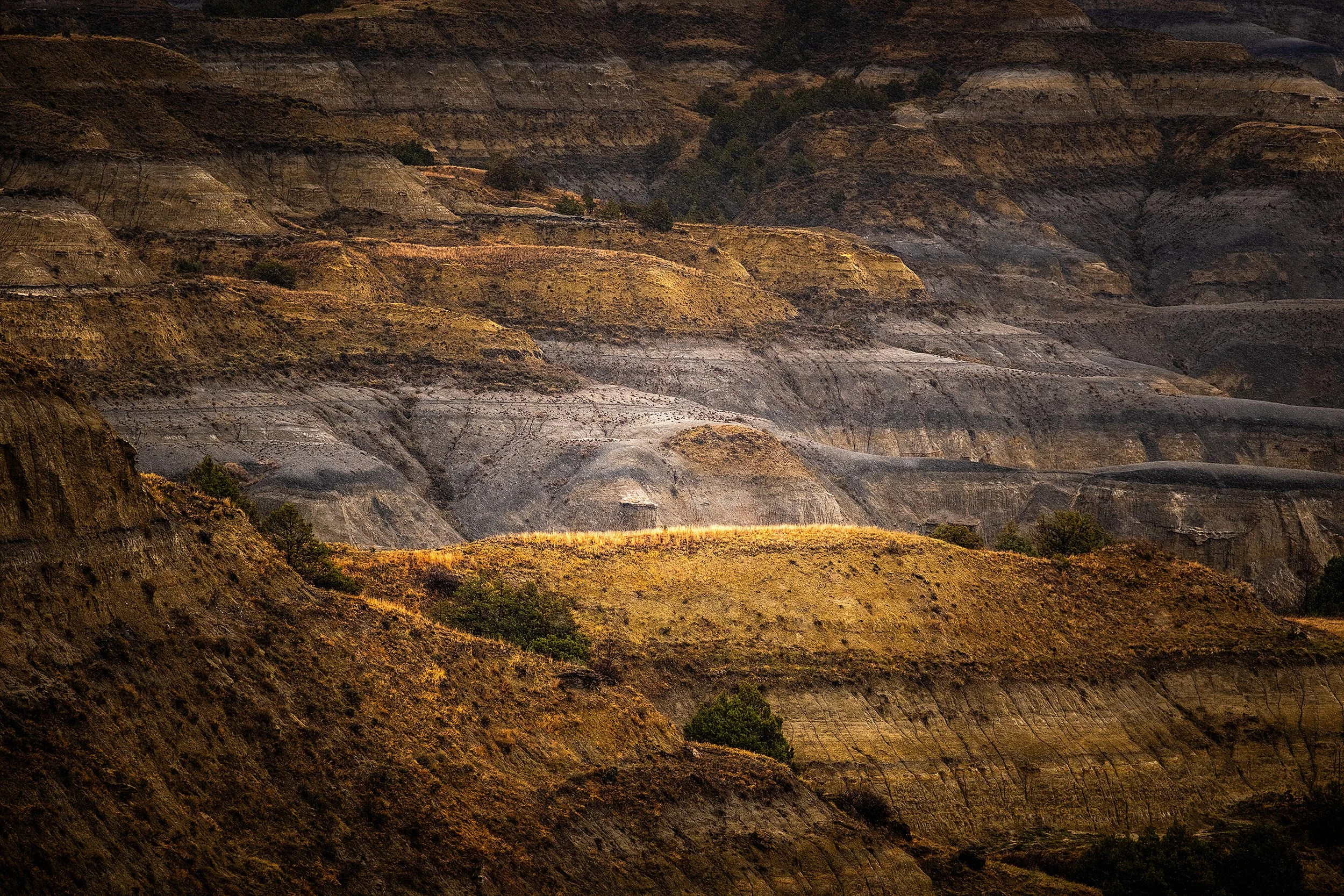
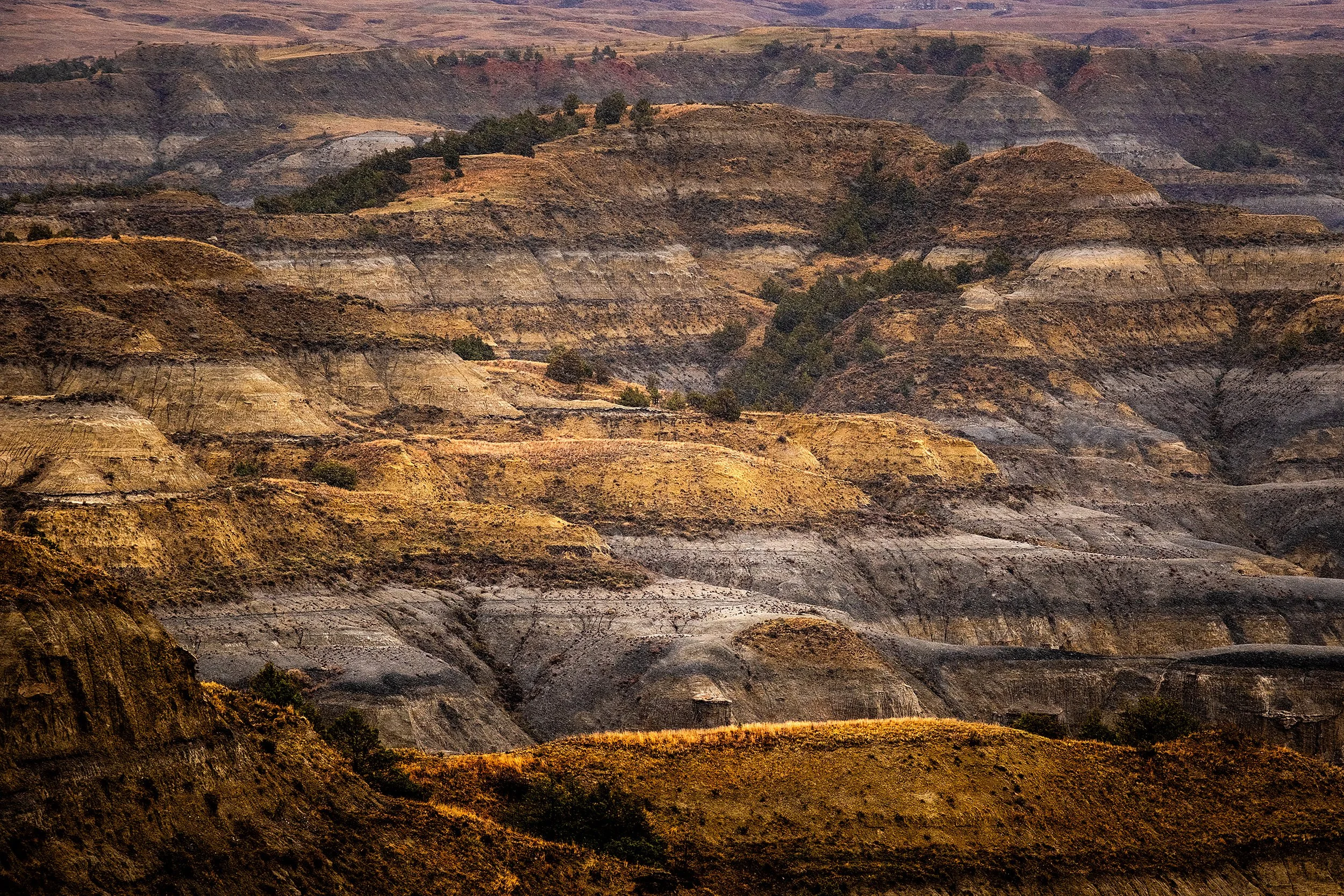
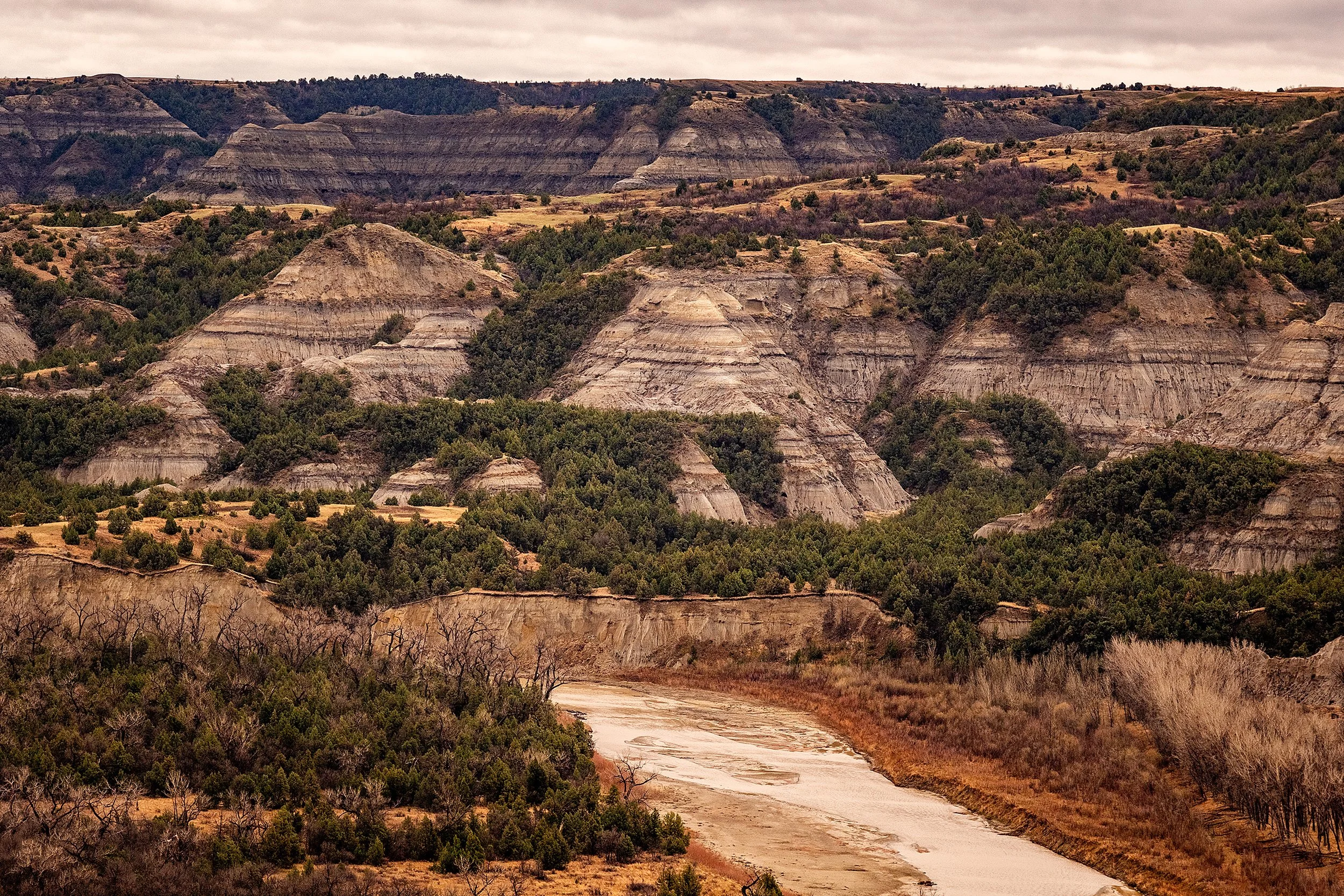
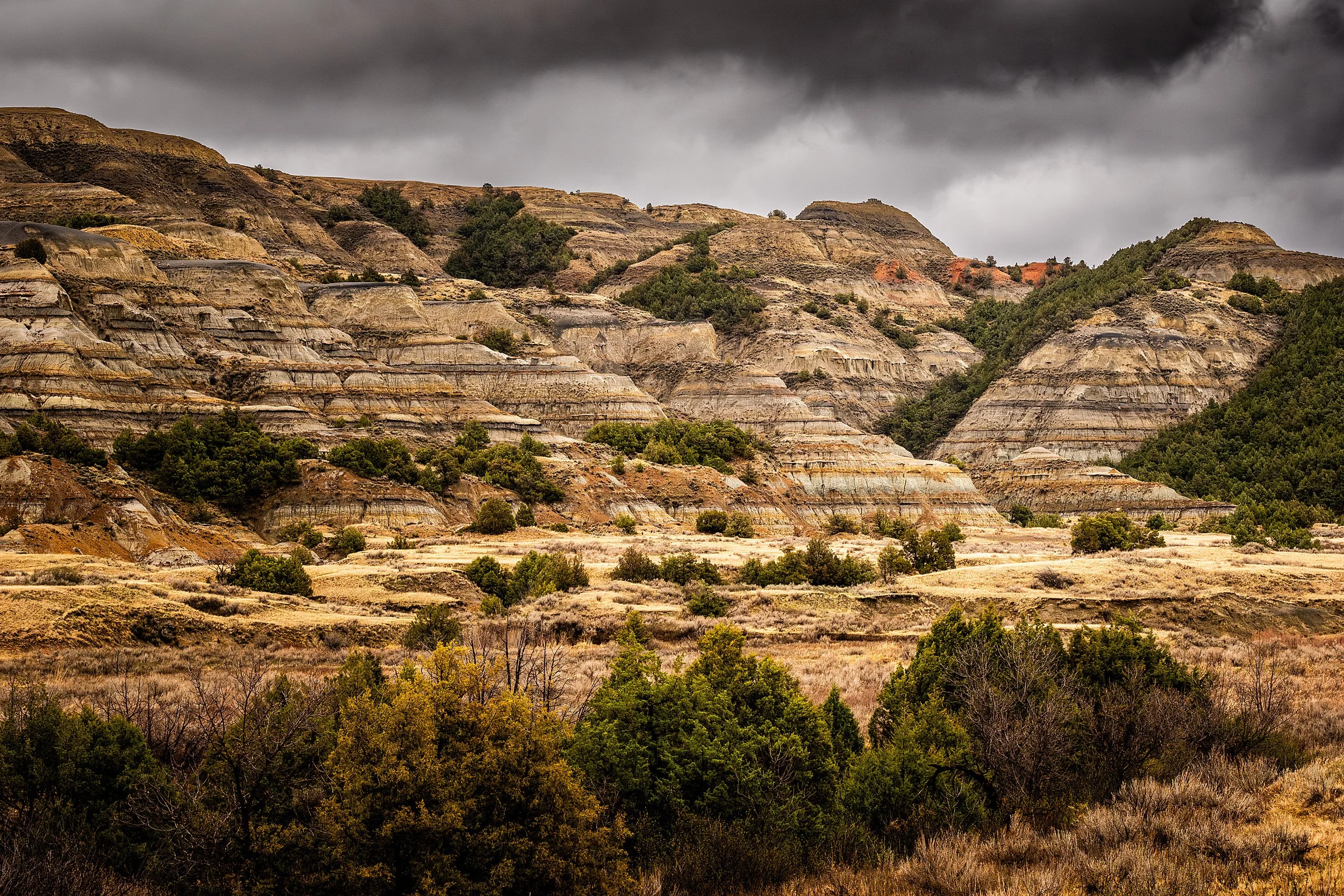
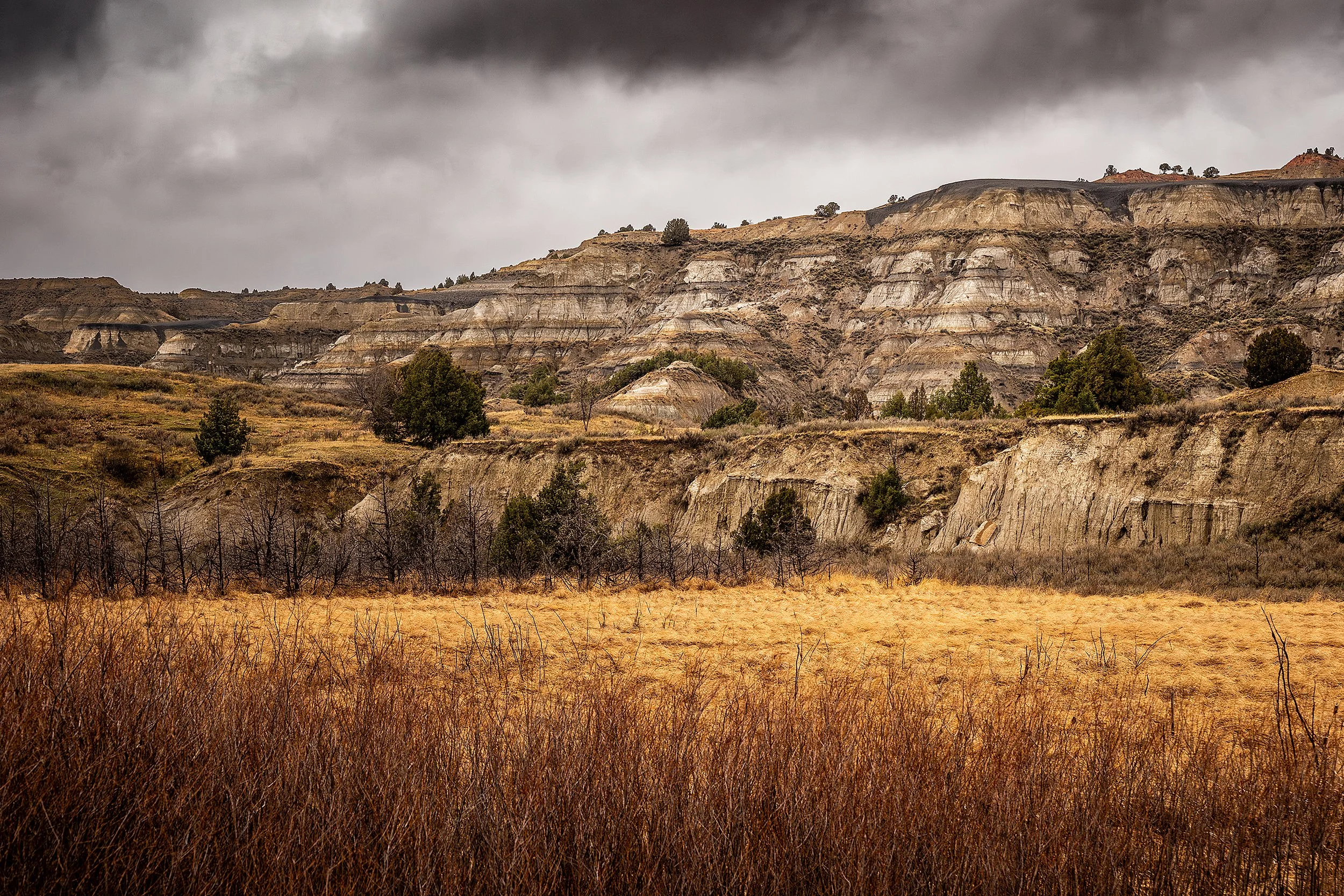
The North Unit doesn’t reveal itself all at once—it unfolds slowly. Elevated overlooks give way to vast corridors of land, where the Missouri River bends quietly through the distance. Light travels differently here. It rolls across the terrain in layers, catching the tops of ridges before falling into shadowed valleys below.
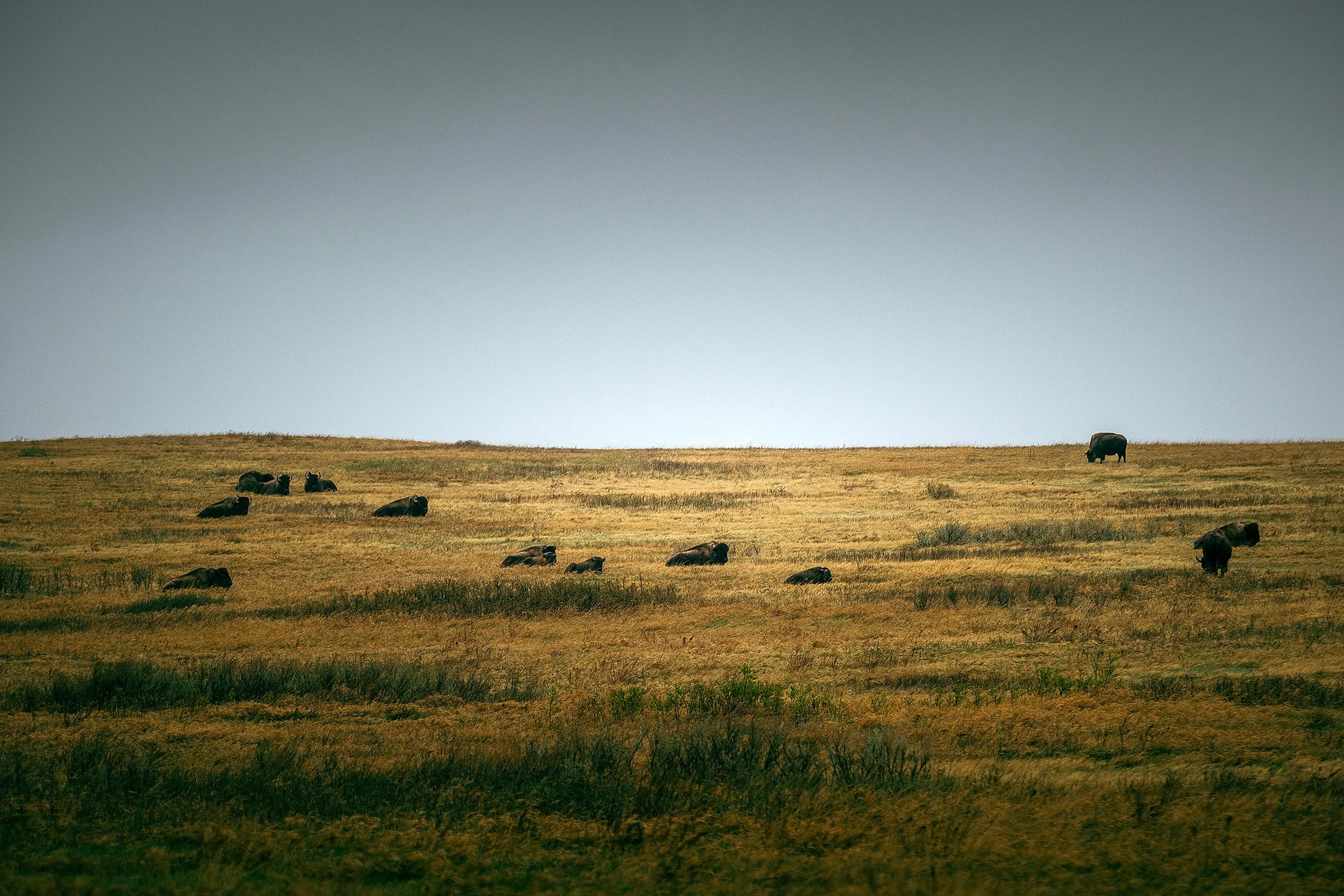
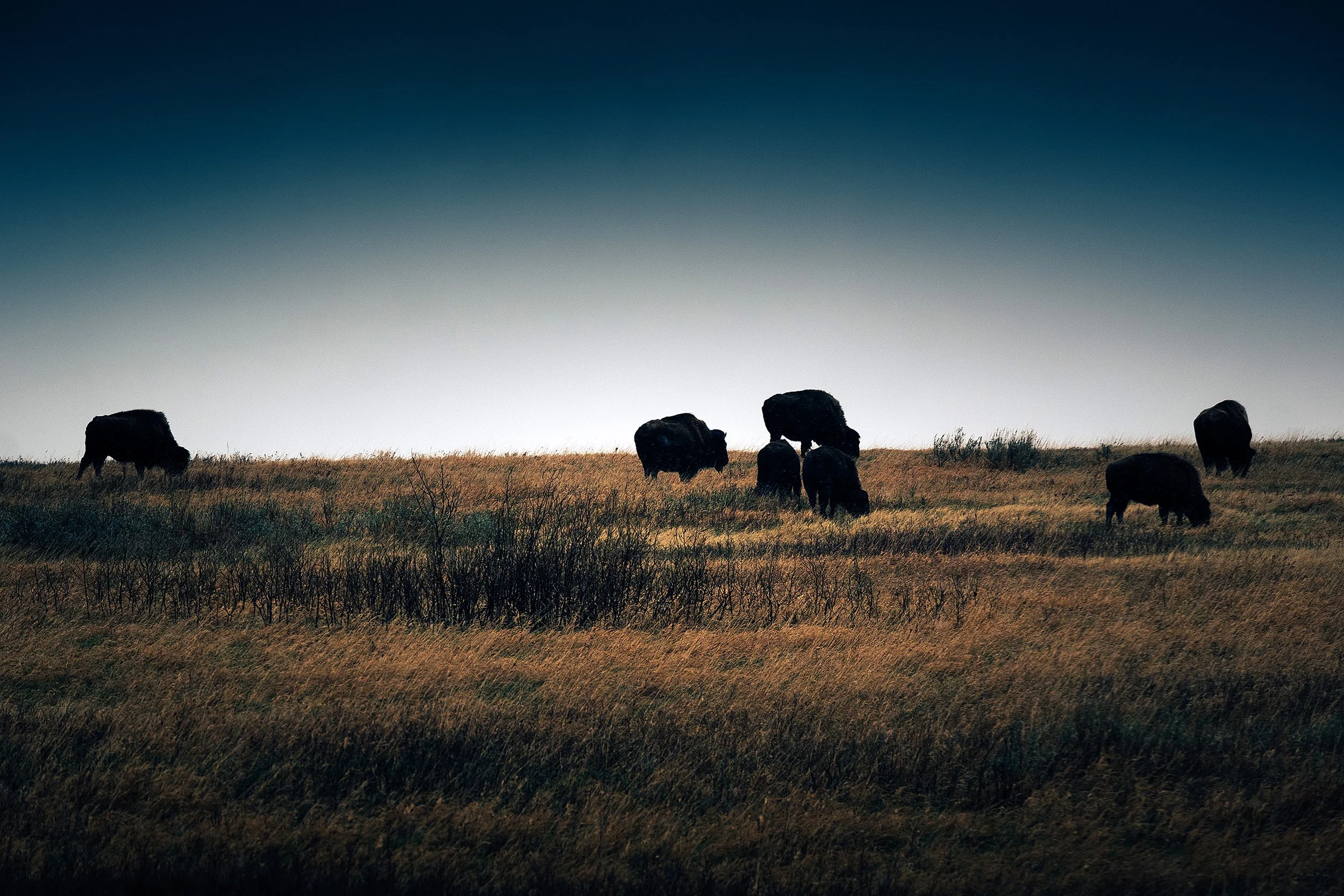
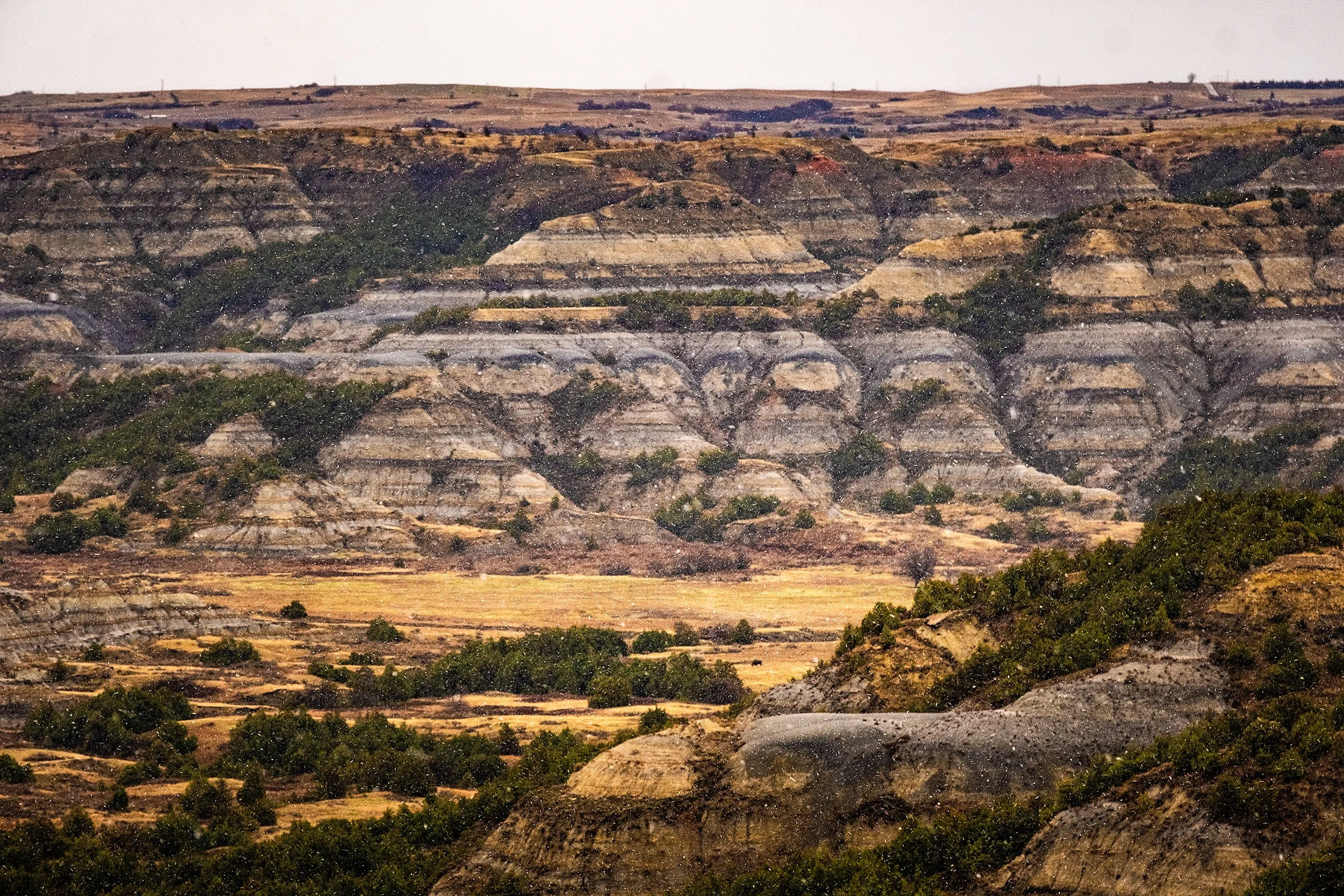
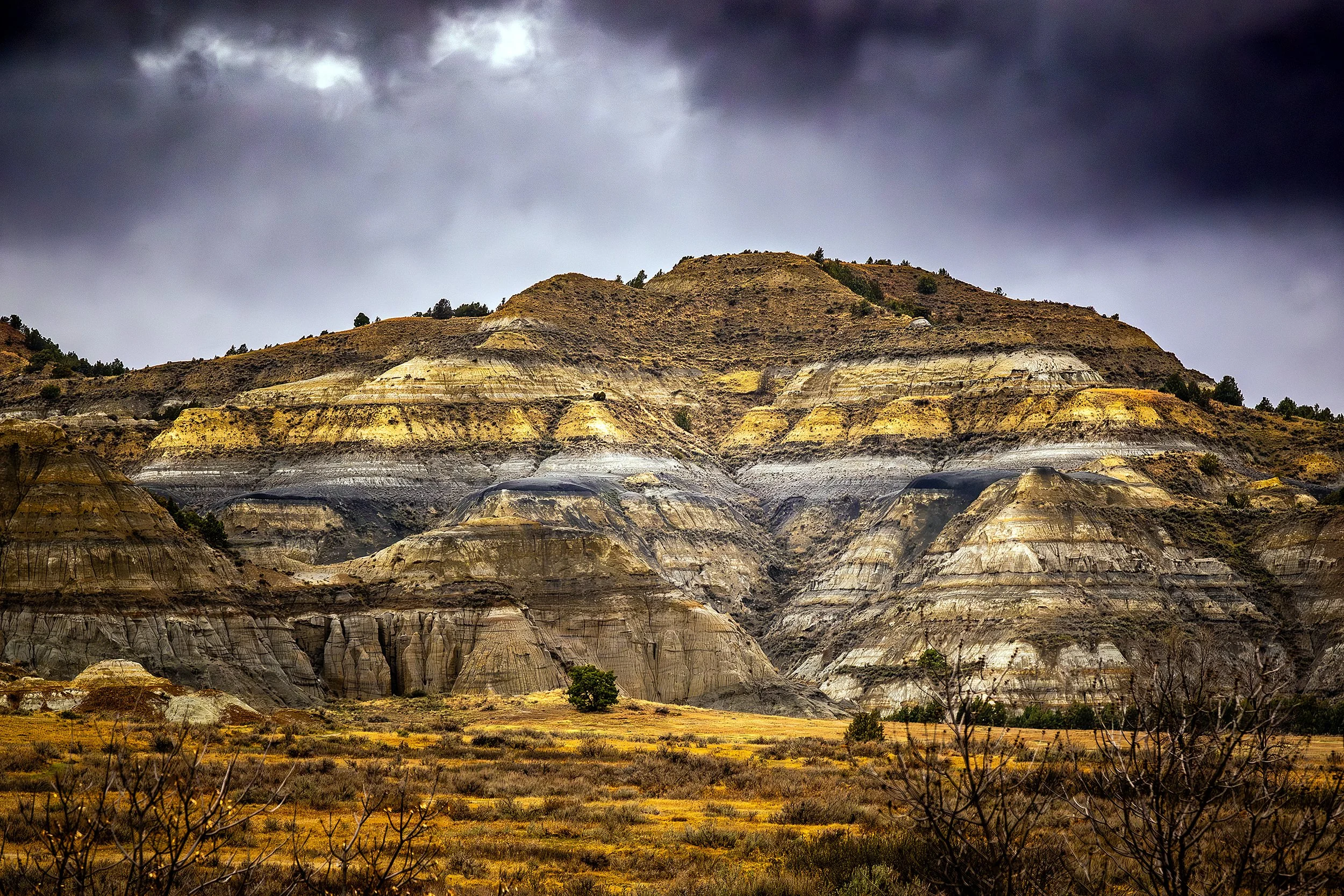
There’s a deliberate pace required to shoot this landscape. You wait. You watch. And then, without warning, everything aligns—the sky deepens, the land ignites, and the scale of the place becomes undeniable. Wildlife appears as part of that rhythm—bison silhouetted along distant ridges, small against the immensity of the scene.
Crafting the Frame — Minimal, Powerful, Enduring
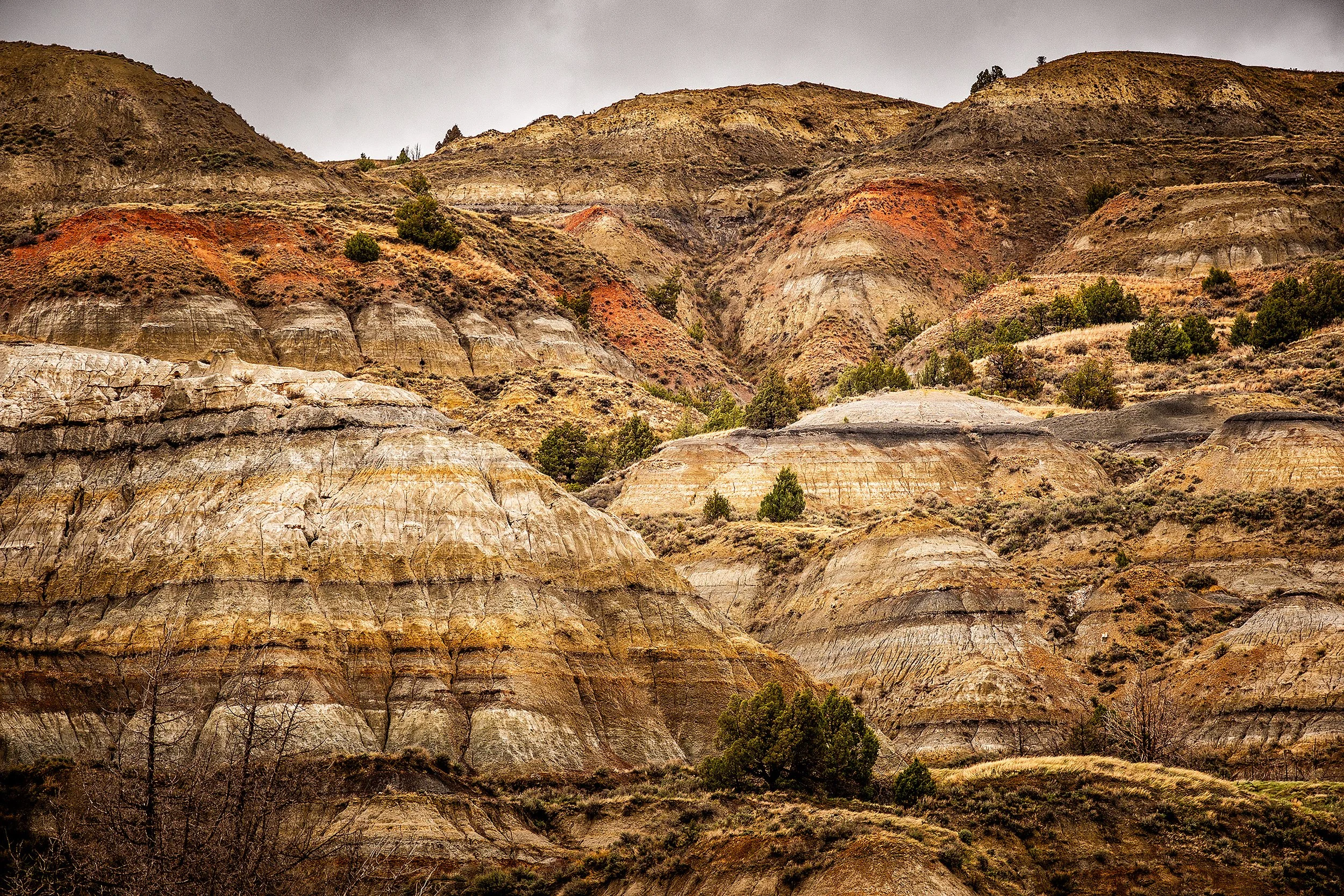
This body of work leans into simplicity—strong lines, restrained color, and an emphasis on scale. The North Unit offers fewer distractions, which makes every compositional decision more intentional. It’s a place where negative space becomes a storytelling tool, where distance itself carries emotion.
Under The Wild Blue Films, this shoot continues a larger vision: to create cinematic, place-driven imagery that resonates beyond the frame. The North Unit stands apart—not louder, but deeper. A landscape that doesn’t demand attention, but earns it through presence alone.